


Subscribe to our newsletter to keep up with all the latest news and promotions, and automatically receive a welcome discount coupon in your email.
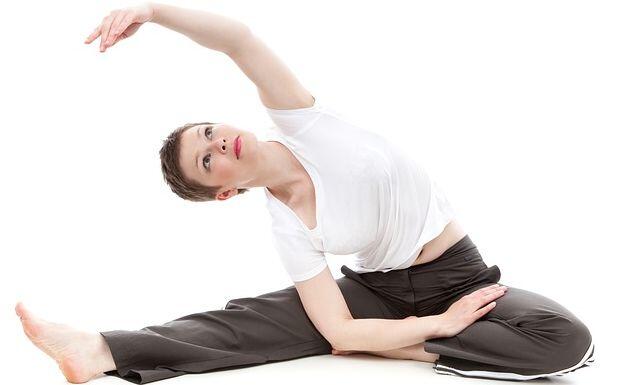
The sports warm-up is a fundamental part of any training or sports practice. Its main objective is to progressively prepare the body for physical exertion, improving mobility, activating muscles, and reducing the risk of injuries.
Performing a good warm-up before training helps increase muscle temperature, improve blood circulation, and optimize physical performance from the start of the activity.
Furthermore, an adequate warm-up helps muscles and joints respond more efficiently during exercise.
What is a Sports Warm-up?
A sports warm-up consists of a series of physical exercises performed before the main activity with the aim of preparing the body for exertion.
These exercises should be performed progressively to activate muscles, joints, and the cardiovascular system, thereby facilitating better sports performance.
Key objectives of a warm-up include:
- Increasing muscle temperature.
- Improving joint mobility.
- Preparing the cardiovascular system.
- Activating the muscles involved.
- Reducing the risk of injuries.
- Improving concentration before exercise.
Types of Sports Warm-ups
There are different types of warm-ups depending on the objective and the sport practiced.
General Warm-up
The general warm-up aims to prepare the body for physical activity in a global way. It consists of low-intensity and less specific exercises.
This type of warm-up should be adapted to each person’s characteristics and performed progressively.
Examples of general warm-up exercises:
- Light jogging.
- Joint mobility.
- Gentle jumps.
- Muscle activation exercises.
- Dynamic movements.
Specific Warm-up
The specific warm-up is aimed at preparing the muscle and joint areas that will directly participate in the main sport or exercise.
In many sports, the same materials or movements that will be performed later during the activity are used.
For example:
- Progressive series before running.
- Light strokes before playing tennis.
- Technical ball drills in soccer.
- Light pedaling in cycling.
The objective is to adapt the body to the specific movements that will be performed during training or competition.
Preventive Warm-up
The preventive warm-up is especially used in injury recovery processes or to protect sensitive muscle areas.
This type of warm-up may include:
- Therapeutic exercises.
- Controlled mobility.
- Massages.
- Application of heat or cold.
- Specific muscle activation.
Its main purpose is to reduce the risk of relapse and safely prepare the affected musculature.
Benefits of Sports Warm-up
Performing an adequate warm-up before training provides multiple benefits for both performance and injury prevention.
1. Increased muscle temperature
The increase in temperature improves muscle elasticity and promotes more efficient contraction.
2. Improved blood circulation
Warming up increases blood flow and improves oxygen supply to the muscles.
3. Cardiovascular and respiratory activation
Heart rate and pulmonary activity progressively increase, preparing the body for physical exertion.
4. Greater physical performance
Muscles respond more quickly and effectively when they have been previously activated.
5. Injury prevention
A good warm-up helps reduce the risk of tears, muscle strains, and other muscle injuries.
6. Improved mobility and flexibility
Joint mobility improves thanks to increased body temperature and joint lubrication.
7. Improved concentration
The warm-up also promotes mental activation, increasing attention and reaction capacity.
Importance of Cooling Down After Exercise
The cool-down is the final phase of training and aims to facilitate muscle recovery after exertion.
After an intense session, the body needs to progressively return to a state of rest.
How to Perform a Good Cool-down
- Jog lightly for a few minutes.
- Progressively reduce intensity.
- Perform gentle stretches.
- Promote muscle relaxation.
A proper cool-down helps reduce muscle tension and post-workout discomfort.
Conclusion: Why Warming Up is Essential in Sports
The sports warm-up is an essential part of any training routine. Properly preparing the body before exercise improves physical performance and reduces the risk of injuries.
Both general and specific warm-ups help activate muscles, joints, and the cardiovascular system to face exertion more safely and efficiently.
Additionally, complementing training with a good cool-down promotes muscle recovery and improves post-exercise sensations.







Be the first to comment on this post!