
Subscribe to our newsletter to keep up with all the latest news and promotions, and automatically receive a welcome discount coupon in your email.

General search
42K

Be the first to know with the 42K newsletter!
CUSTOM

Customise your kit with our CUSTOMIZADOR!
CUSTOMISE NOW!
The days leading up to a marathon can be very stressful, especially for runners making their debut at the distance. In this article I’ll give you 10 tips for your first marathon, especially for the days leading up to and race day itself.
Preparing for a marathon requires a good training plan—a training plan adapted to the goal you’re pursuing in the race, your previous experience at marathon distance, your fitness level, your age… There are many factors that can be important when determining the most appropriate preparation to tackle a marathon with confidence.
Let’s assume you’ve completed your preparation and that you’re arriving at the days leading up to your big date with 42.195 kilometers with your homework done. Behind you are months of training, sacrifice, and effort. The day your legs have covered hundreds of kilometers for is approaching—the day that seemed far off in time and now feels so close.
You should be optimistic and think that all the hours and kilometers of effort and dedication will pay off, but it’s important not to make last-minute mistakes (in the final days and on race day) that could compromise the work done over months. Below I’ll list 10 tips for your first marathon that will help you avoid mistakes.
The first of the tips for your first marathon: rest and disconnect in the days leading up
In the days leading up to the marathon you should try to avoid stressing your body further and give priority to rest and disconnection.
If you’ve been rigorous and consistent with your preparation, you need to have confidence and seek calm. It’s time for tapering. You need to change “I have to get up to train” to “I have to sleep more”; forget the gym and visit the physio for a muscle release massage on your legs; spend time with family or on leisure and stop thinking about training.
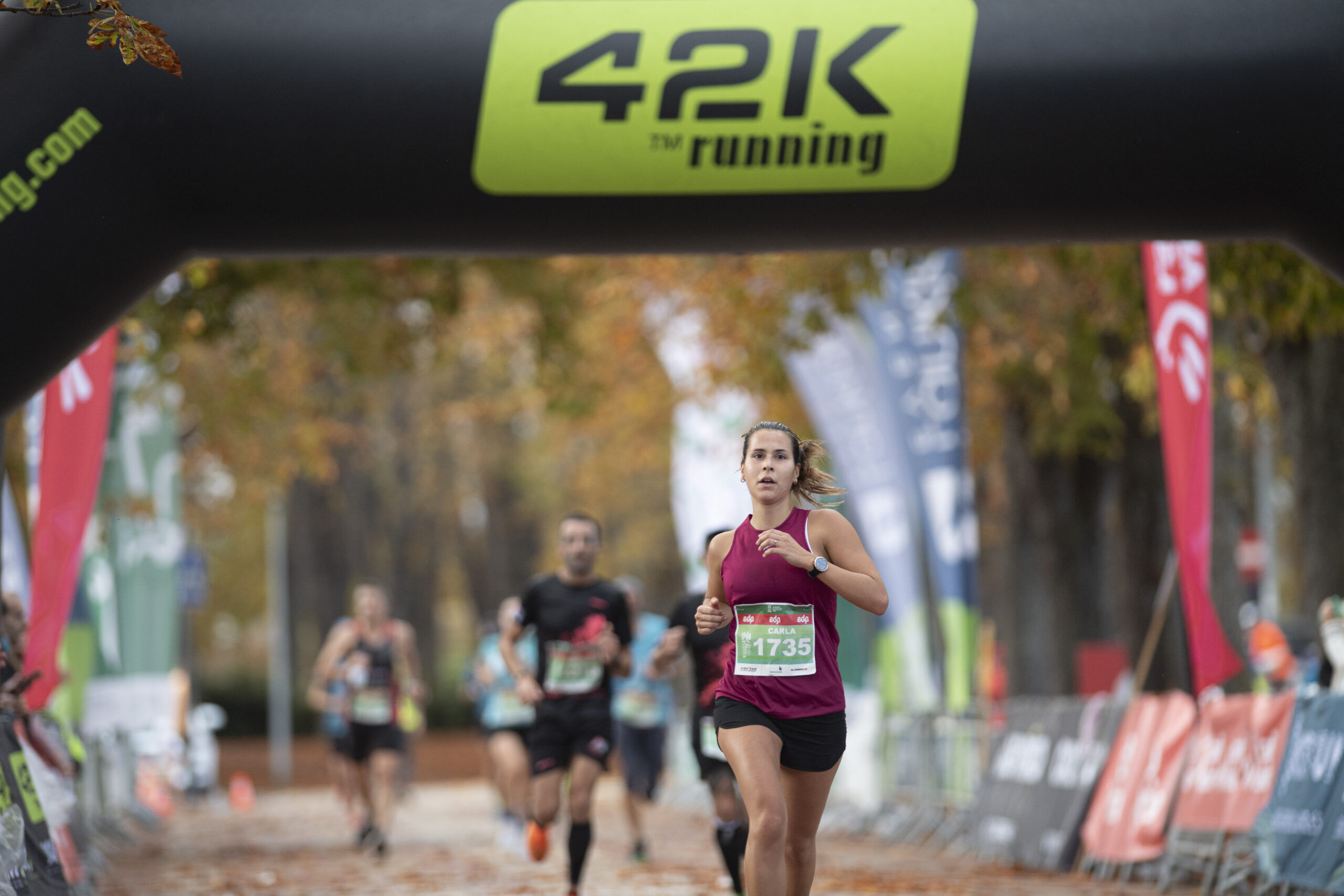
Every runner wants to arrive in the best possible performance condition for the big day, and to help you I’m offering 10 tips for your first marathon. These tips for the days leading up to and race day are valid for any runner, including non-beginners:
- Don’t train more.
- Check the weather forecast.
- Avoid getting cold at the start.
- If possible, train at the same time as the race.
- Avoid excessive carb loading in the days leading up.
- Eat and drink what you’ve trained with.
- Follow the paces you’ve planned and trained.
- On race day, don’t improvise anything and don’t debut anything new.
- Pay attention to small details.
- Your fans should wait for you in the final ten kilometers.
Don’t add last-minute training sessions
1. Don’t train more than planned by your coach. The sessions, races, long runs, or intervals you didn’t do are behind you and now is not the time to make them up. Don’t think about what you “could have done.” In the week before, an added training session won’t make you perform more or better on marathon day; however, one less session might. What’s really important now, when you’re just days away from the big date, is to arrive rested at the start. Trust what you’ve trained!
2. Check the weather forecast and temperature for the city where you’ll be running. It’s important to know the average temperature at the start time and what temperature it will reach during the race (in the Valencia Marathon, for example, in December the average temperature at the start is 9°-13°, reaching a high of 17°-20°). It’s also advisable to consider the relative humidity or if rain is forecast so you’re not caught by surprise.
Humidity is no trivial matter because for someone used to training in a dry climate, running a marathon in a more humid city or region can be a significant handicap as it will require a special hydration strategy. Let me give you a concrete example: if you live in a dry region and decide to run the Valencia Marathon, which is a city with an average relative humidity of 60%-63%, I recommend you increase your hydration levels 2-3 days before the race to 2-3 liters per day.
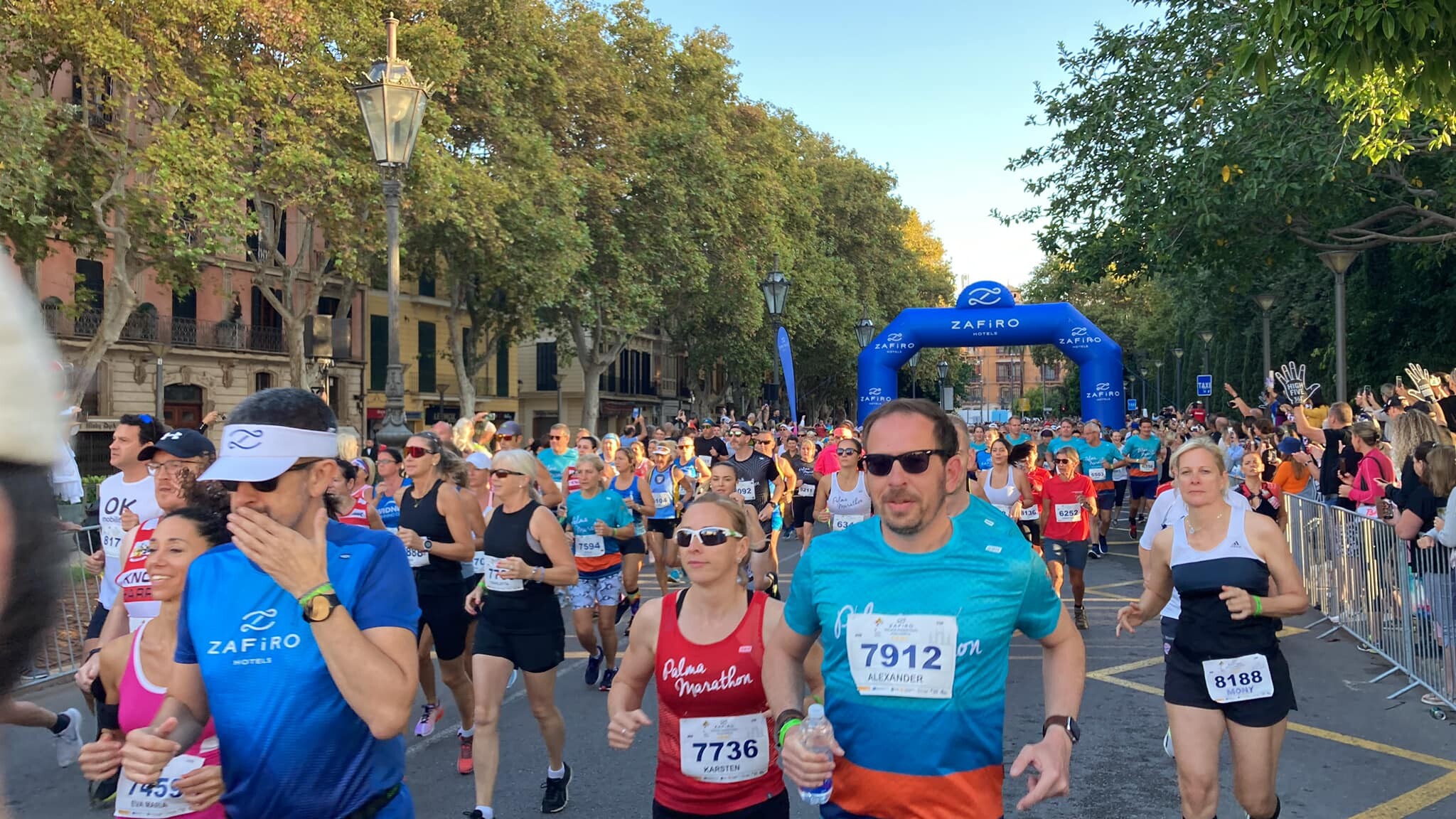
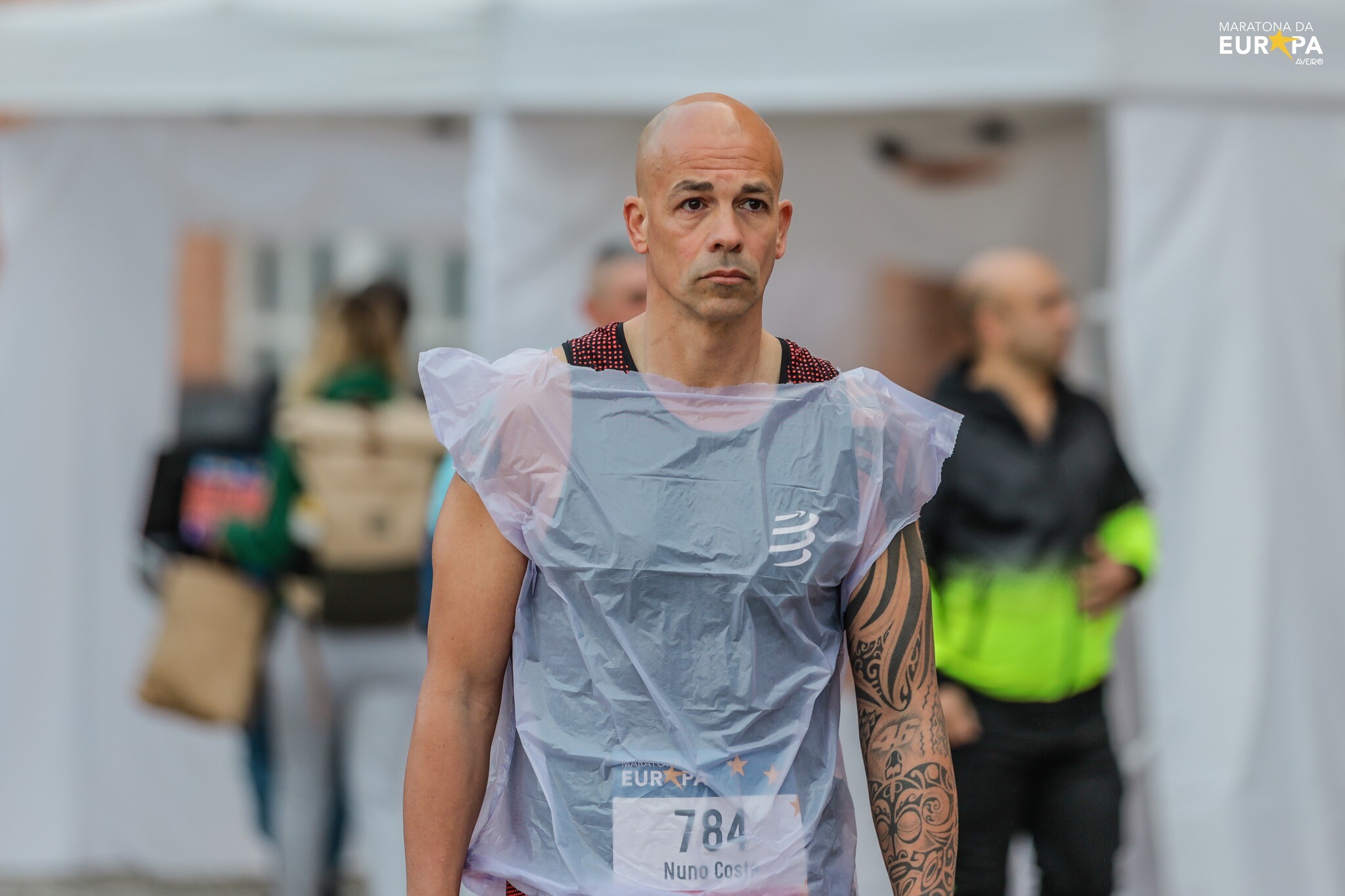
3. Avoid getting cold at the start. Don’t forget some clothing to keep warm until the start or until you’ve warmed up a few kilometers into the run. There are races where it’s possible to discard these garments at the start or even later and they serve a charitable purpose, as the Valencia Marathon organization does by collecting all this clothing and donating it to an NGO.
4. Train at the same time the marathon takes place. If possible, it’s recommended that you train at the same time you’ll have to run on race day. Our body is like a “repetition machine,” capable of adapting to and memorizing any routine. If due to personal or work circumstances you can’t train at the race time, go for an easy jog of 20 to 30 minutes the day before the race, at a time similar to the start of the race; this way you’ll get your body activated the next day without problems.
5. Avoid excessive carb loading in the days leading up. The belief that it’s essential to stuff yourself with carbohydrates 48 hours before running a marathon is too widespread. My advice is to avoid excessive ‘carb loading’ without any criteria in the days leading up. It’s been shown that these diets are not as effective as believed and that they can cause gastrointestinal problems for many runners.
Start race day with your usual breakfast (not a breakfast with “extras” for the race) and don’t leave your stomach empty until 90 minutes before you start running. Bring something to eat and drink until 90 minutes before the start to avoid feeling hungry or ’empty’ or ‘lacking strength.’
On race day don’t improvise with nutrition, hydration, or pace
6. Eat and drink what you’ve trained with. One of the most important tips for your first marathon I can give you is that
On race day you shouldn’t improvise with nutrition and hydration. Repeat the aid station strategy you’ve rehearsed in training; stick to what you know has worked well in training and don’t introduce last-minute changes. The marathon is a race that wears you down a lot and pushes you to the limit, so you can’t afford “experiments” that you don’t know how they’ll affect your performance.
Something I consider important to note is that many marathons have a hydration/sports nutrition brand as a sponsor or partner and offer their products at aid stations. Find out which brand it is and test if those products work well for you, if you intend to use them in the race. Otherwise, stick with your personal aid station plan and don’t eat or drink more or less than you have planned, trained, and assimilated.
It’s quite common to want to consume more than necessary hoping to perform better or, conversely, not reach the recommended intake due to the nerves and anxiety the marathon generates. Eating when you’re not hungry and drinking before thirst appears is the key to avoiding problems with energy and/or hydration.
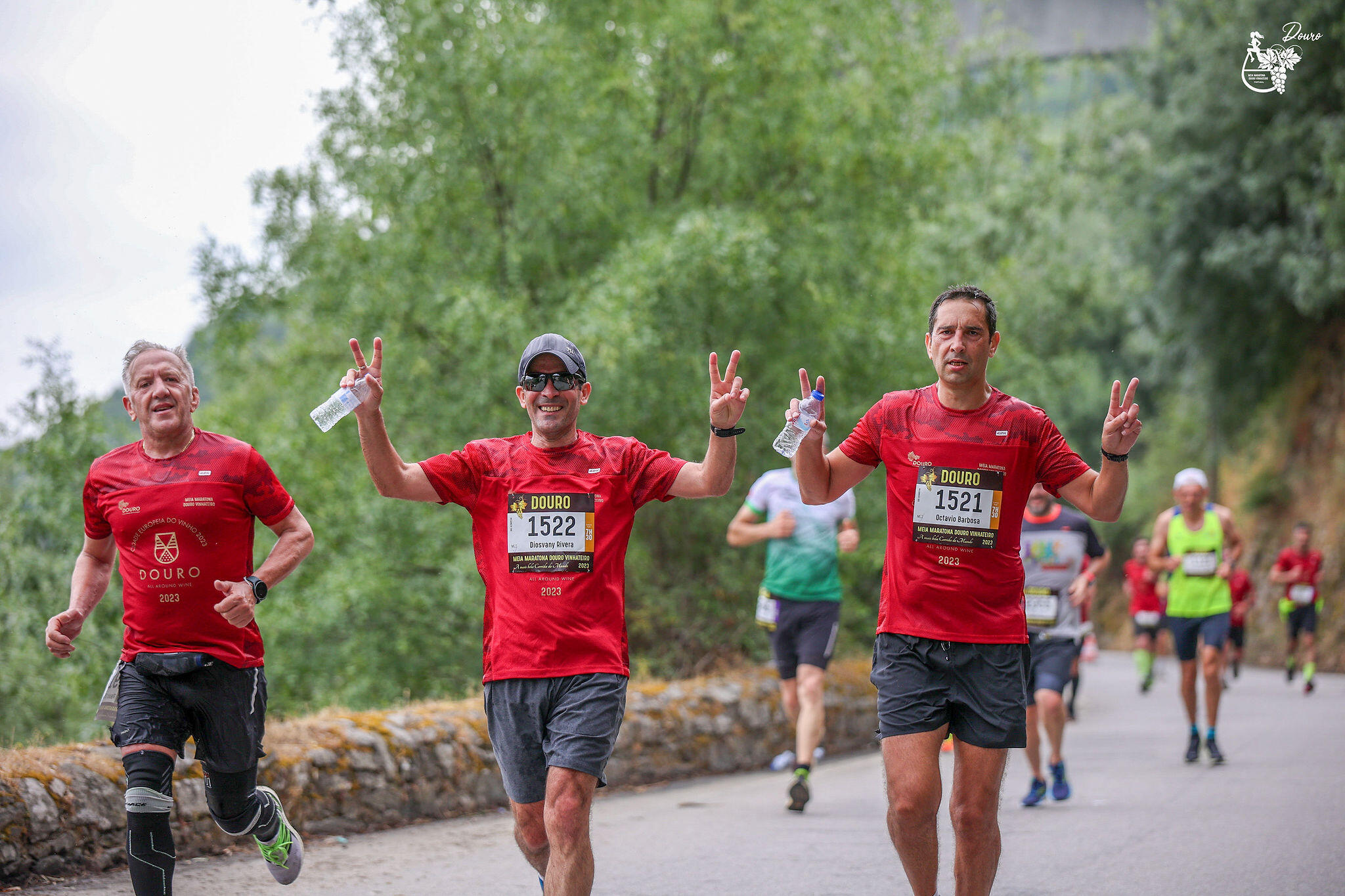
The marathon starts when you cross the starting arch, not at Km30
7. It’s ESSENTIAL to follow the planned and trained paces and/or heart rate. You’re facing a race of several hours, so you need to think that the sensations you have at kilometer 5 can be very different from those at kilometer 25. Try to be very rigorous in following the paces and/or heart rate you have planned and trained for the race; don’t get carried away by the paces of other runners because the race is very long and you’ll lose (relative) control of fatigue.
Among the tips for your first marathon I also consider it important to tell you to keep a very cool head in the first kilometers of the race to avoid the sudden pace changes that usually occur in the first 3-4 kilometers. Those sudden pace changes can wear you down more than you imagine and take their toll at the end. Focus on running at the pace you planned from the start and don’t worry if other participants pass you on the right and left; you have to run your own race from start to finish.
It’s a very common mistake in the first kilometers to run at a faster pace than planned, whether due to nervousness, the excitement of the marathon, the effect of tapering, etc. These excesses, once the race is underway, can cause a state of excessive exhaustion with many kilometers still to the finish. This state is not reversible and there’s no alternative but to lower the intensity and not lose focus on the finish.
The marathon doesn’t start at Km30, as is often said; what you do from Km1 already conditions everything that happens afterward. The marathon starts when you pass through the starting arch: keep this idea as one of the main tips for your first marathon.
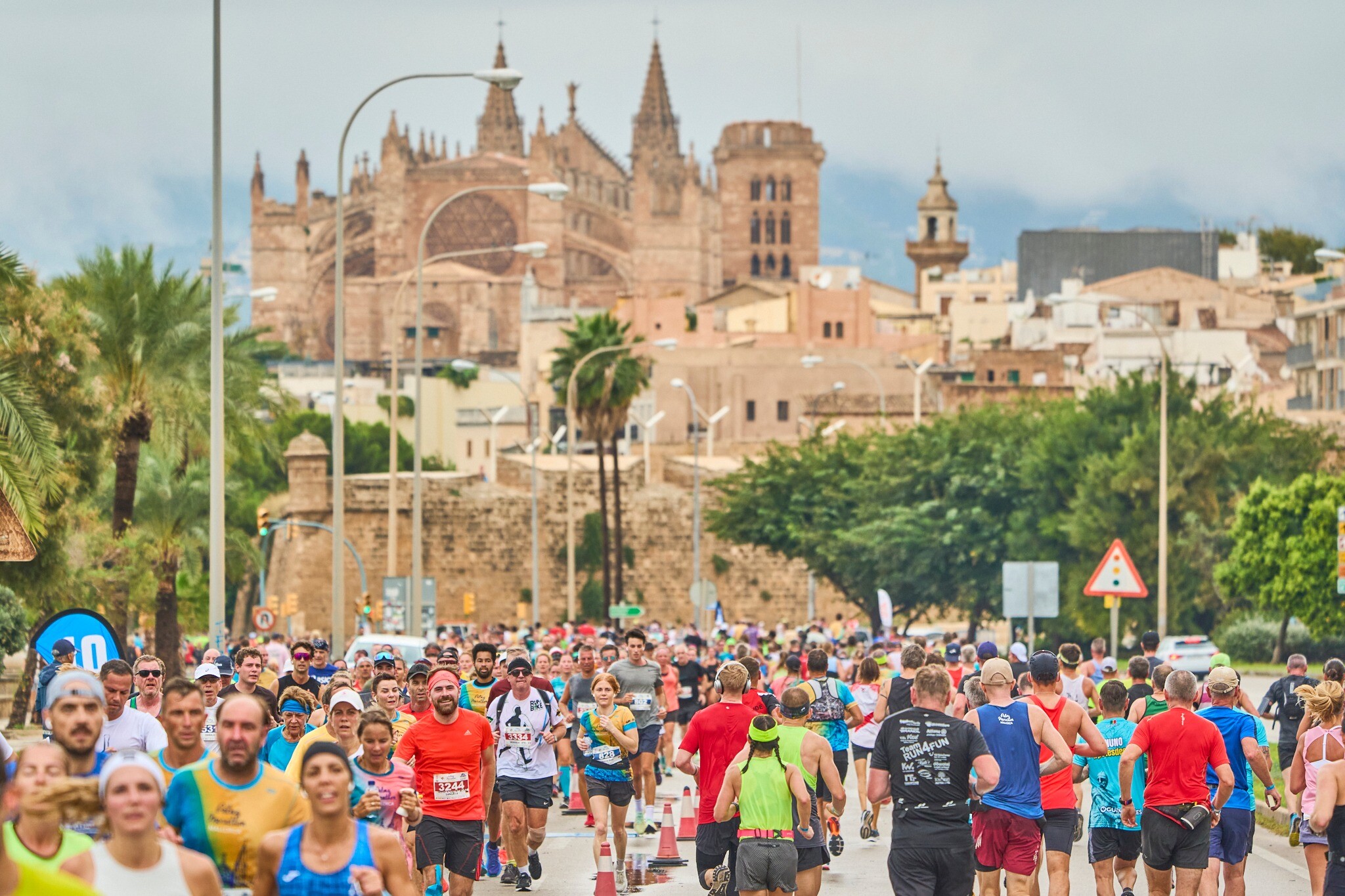
8. Don’t improvise or try anything new. Don’t experiment on race day! This is one of the most important tips for your first marathon I can give you and I’m sure you’ve heard it from every coach and trainer in the world.
On race day you should NOT debut running shoes, socks, shorts, shirt… Of course, you should NOT try new isotonic and/or energy drinks; don’t try radical diets in the final days either (no matter how wonderfully they worked for so-and-so in a previous marathon).
Another tip for your first marathon that I consider necessary to highlight is the importance of not training with new training partners the week before the race (I’ve seen this many times in my years as a coach). Absolutely everything should be tested at least 15 days before.
Tips for your first marathon, practical aspects of great importance
9. Pay attention to the small (big) details. Among the tips for your first marathon I also find it interesting to point out practical aspects that may seem unimportant but are very important in a 42-kilometer race.
To start, pay attention to your feet and take care of them during the week before the race. As a first measure I’d say that in the days before the race wear comfortable footwear to avoid chafing or blisters that could bother you on marathon day. If you need to trim your nails, do it four or five days before the race (never the day before). And also think about chafing; if you’re prone to it, you can use petroleum jelly but only on the specific areas of the foot where friction occurs (don’t overuse petroleum jelly on your feet or other parts of the body because it doesn’t absorb and can lead to more sweating).
More tips for your first marathon: anticipate any bad weather, prepare everything ahead of time the day before and don’t leave things to the last minute (like pinning your race bib, preparing your aid station supplies, or preparing the clothes you’ll run in), go early to pick up your race bib (if it’s the same day as the race), avoid stressful situations, and use petroleum jelly in moderation for critical chafing points (armpits, groin…).
Finally, don’t worry if you can’t sleep the night before (it’s very common and doesn’t just happen to beginner runners), as the important rest is the night’s sleep 48 hours before.
10. Ask your “supporters” to wait for you from Km32 onward. Up to Km25 the marathon is “easy.” From Km25 to Km32 you’ll face the toughest part physically. From Km32 the countdown begins and the psychological marathon. If you have personal supporters (family, friends, club teammates…), ask them to position themselves within the last 9-10 kilometers to give you the necessary moral support. The applause and encouragement from familiar faces along with visualizing the finish line will push you to success, for sure.

I hope these 10 tips for your first marathon are useful to you.
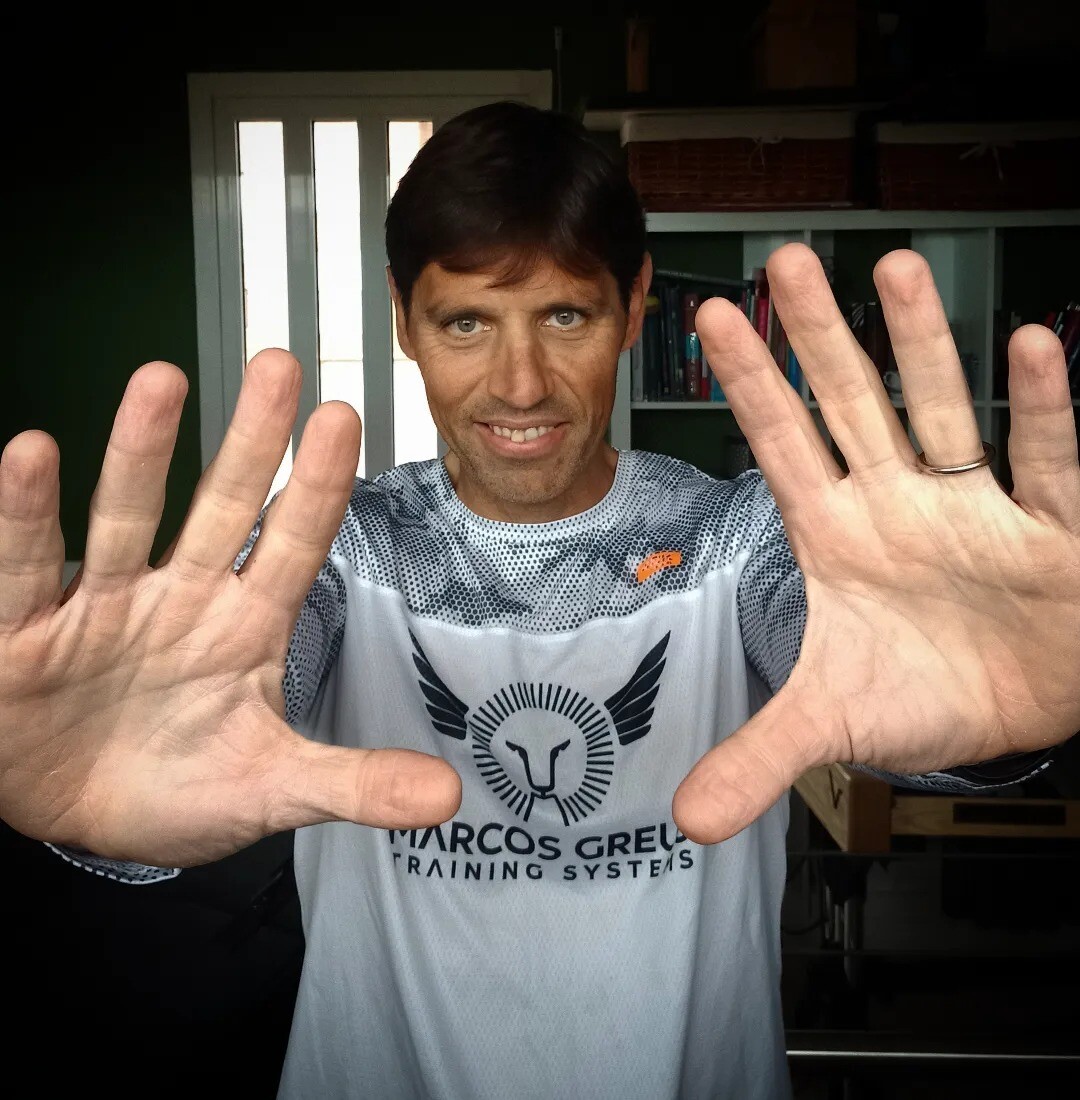
Health and kilometers!


Text for 42K by:
Marcos Greus
Entrenador y preparador físico.
Licenciado en Ciencias de la Actividad Física y el Deporte con especialización en deportes de resistencia. Entrenador nacional de triatlón, ciclismo y natación, además de entrenador especialista en larga distancia.
Other posts by Marcos Greus
Other posts that may interest you.


Be the first to comment on this post!