
Subscribe to our newsletter to keep up with all the latest news and promotions, and automatically receive a welcome discount coupon in your email.

General search
42K

Be the first to know with the 42K newsletter!
CUSTOM

Customise your kit with our CUSTOMIZADOR!
CUSTOMISE NOW!
I had been mulling this idea over for some time, but without knowing what to call it. Those who know me know I’m not one for names, labels or terminological classifications.
Training consistency is the ability to keep up regular, planned and sustainable athletic preparation over time, so as to stay in good shape and avoid big swings in performance. In running, being consistent doesn’t mean training more, but giving continuity to your training, respecting recovery periods and building a solid physical base so you can perform at a good level all year round.
Training planning and peaks of form
The thing is, traditional planning in individual sports talks about states of form. States that, by definition, in endurance disciplines mean that for a long part of the year we are far from the optimal state for tackling our target competitions and that, conversely, at one or two (relatively short) moments of the season we can bring out our full potential in competition.
On the other hand, different disciplines have emerged within athletics, and others that already existed are gaining more weight. It’s no longer just the track, which still has its charm: road running is taking centre stage, there’s quite a lot of money moving in the world of trail running and, why not say it, the cross-country calendar opens in the coming weeks.
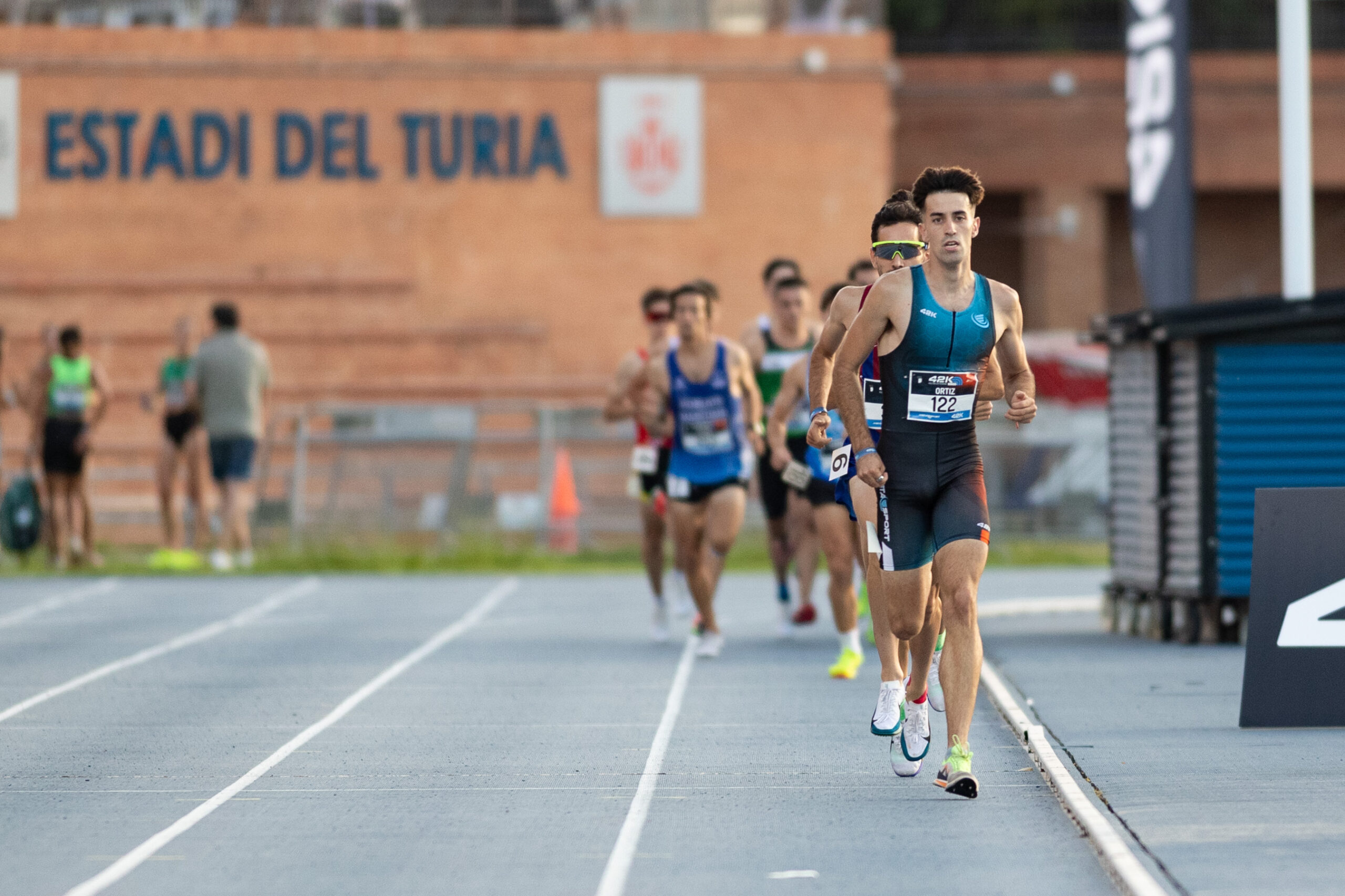
Do you really need just two peaks of form a year?
So I’m starting to question the wisdom of having only two peaks of form (winter and summer) when athletes of a certain level (not only elite ones) will want to be competitive at more points in the year.
Consistency as the key to sports performance
So I think it needs rethinking. And all it took for me to fully embrace this idea was hearing the talk Laurent Meuwly (NED) gave at the RFEA Coaches’ Club on 3 October.
The renowned coach (of Femke Broeders Bol, Lieke Klaver and Lourdes Gloria Manuel) spoke to us about the term consistency to describe athletes who have the ability to achieve good results as a general rule (whatever the time of year). And he valued these athletes highly because, he argued, they would always be closer to setting their personal bests than those who show swings in performance from one competition to the next.
Training consistency: the foundation of performance
Bringing consistency into training
And how do I introduce this concept to my athletes so they change their mindset? Well, I think you have to start with the foundations. I believe consistency must appear first in training. It would be something like “without consistency in training, there is no performance”.
And I’m not discovering anything new. Everyone knows that if an athlete gets injured often, their performance drops. Everyone knows that if an athlete comes and goes, the more often they stop, the longer it will take them to get back to their best. Everyone knows that if an athlete goes on holiday and stretches that break out for too long, their starting point afterwards will be far from where they want it to be.
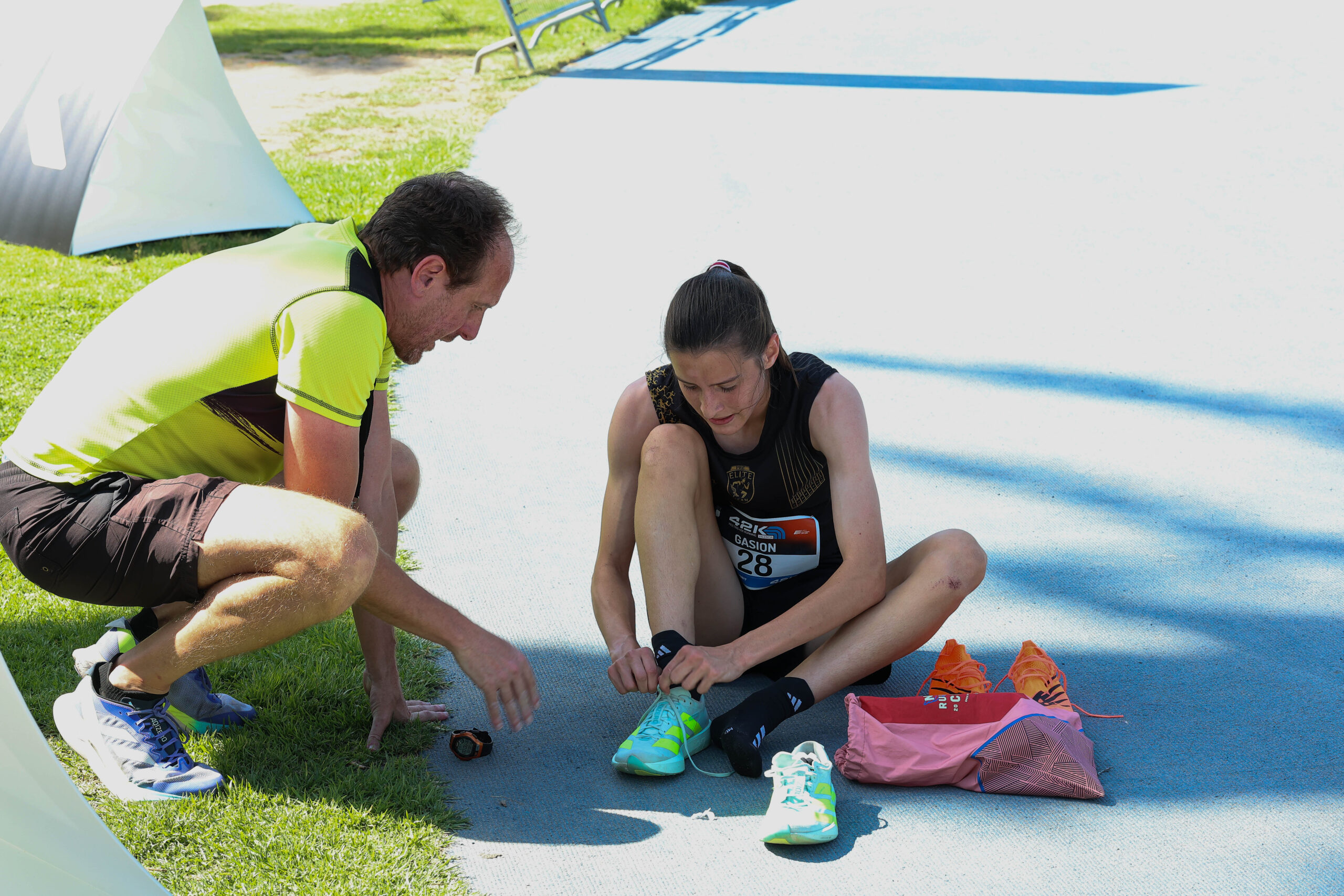
Conversely, if we schedule rest or recovery periods, if we value progression in training over short-termism and, in short, give continuity to training, we will be in a better position to maintain good levels of fitness, which will be just what we want when we bring in the training methods that cover the specific demands of each competition as it draws near.
In this way, we can organise our planning around more peaks of form because, thanks to that consistency, we won’t need as much time to get close to our best.
“Running is easy; training with intent is another story.”
Frequently asked questions about consistency in running training
Why is training consistency important for improving running performance?
Consistency in running training drives a progressive improvement in performance because it lets physical adaptations build up over time and reduces the interruptions that hold back athletic progress. Training regularly, with proper planning and respecting recovery, helps you stay in good physical condition and be better prepared to tackle different competitions throughout the year.
How many peaks of form can a runner have during the year?
Traditionally, many training plans have been organised around one or two peaks of form a year. However, a runner can prepare to compete at a good level at different points in the season. The key is to adapt the planning to their experience, goals and competition calendar, while keeping a solid training base that makes it easier to reach optimal form when needed.
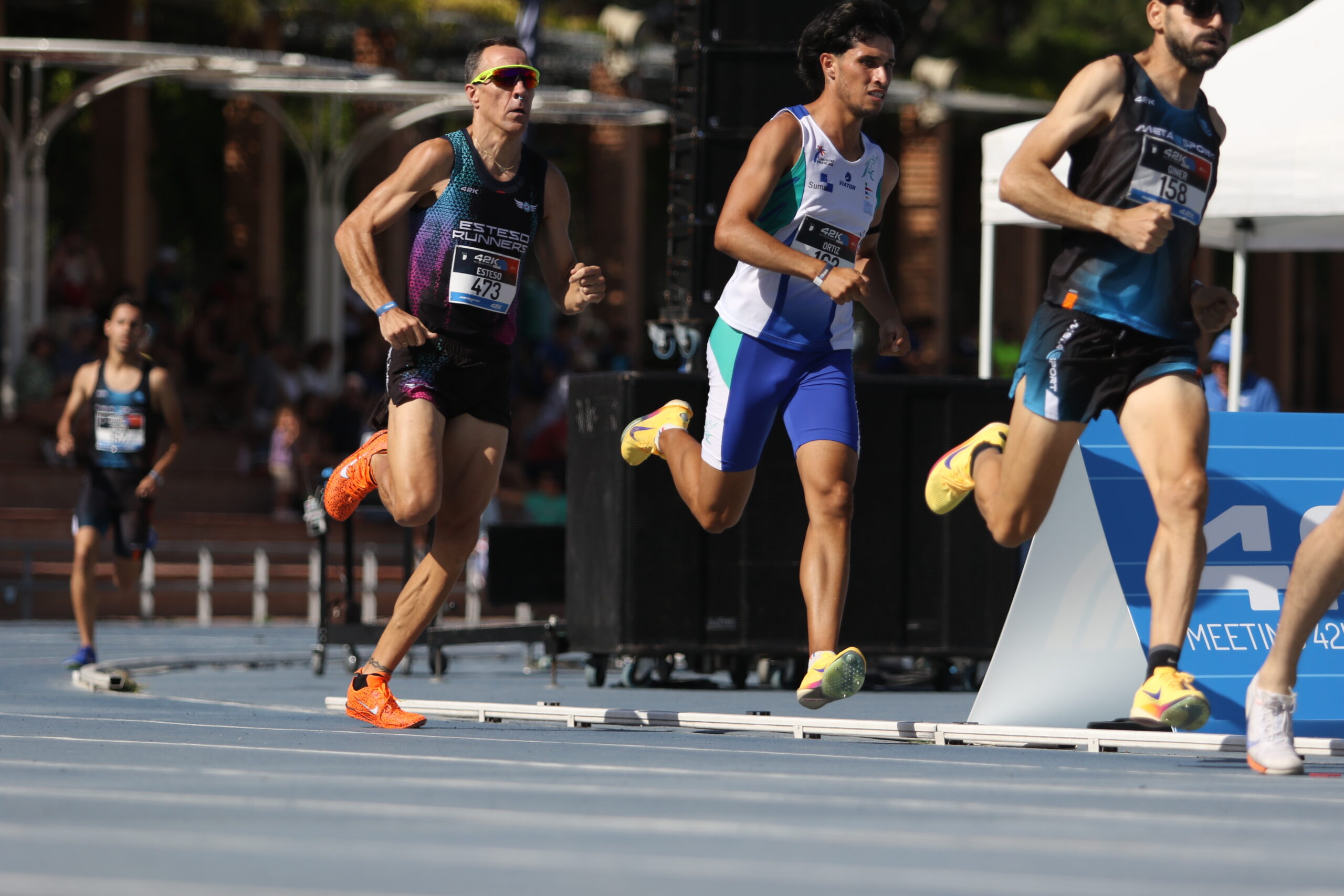
How can you stay in good running shape all year round?
To stay fit all year round, it is essential to give continuity to your training, increase loads progressively and respect recovery periods. Balanced planning lets you keep the physical adaptations you have achieved and adjust the specific work as competitions approach, so you avoid having to start practically from scratch after each goal.
Is it better to train consistently than to chase peaks of form?
Consistent training and chasing peaks of form are not incompatible strategies. Regular, well-structured preparation lets you maintain a good physical level for much of the season and makes it easier to reach higher states of form when the important competitions arrive. The aim is to avoid big swings in performance and cut the time needed to get back to your best competitive self.
How do you combine rest and recovery with consistent training?
Maintaining training consistency doesn’t mean training every day or avoiding rest days. Recovery is an essential part of any training plan. Scheduling rest periods, alternating sessions of different intensities and adapting loads to individual needs helps you absorb your training, reduce the risk of injury and maintain continuity in the long term.


Text for 42K by:
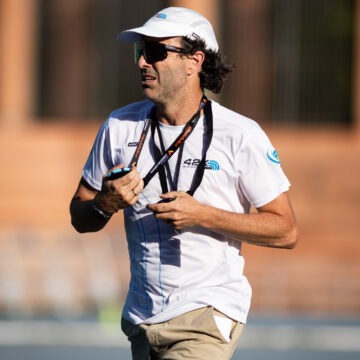
Toni Montoya Vieco
Technical Director, CD Metaesport
National athletics coach and PhD in Activity Sciences
Other posts by Toni Montoya Vieco
Other posts that may interest you.






Be the first to comment on this post!