
Subscribe to our newsletter to keep up with all the latest news and promotions, and automatically receive a welcome discount coupon in your email.

General search
42K

Be the first to know with the 42K newsletter!
CUSTOM

Customise your kit with our CUSTOMIZADOR!
CUSTOMISE NOW!
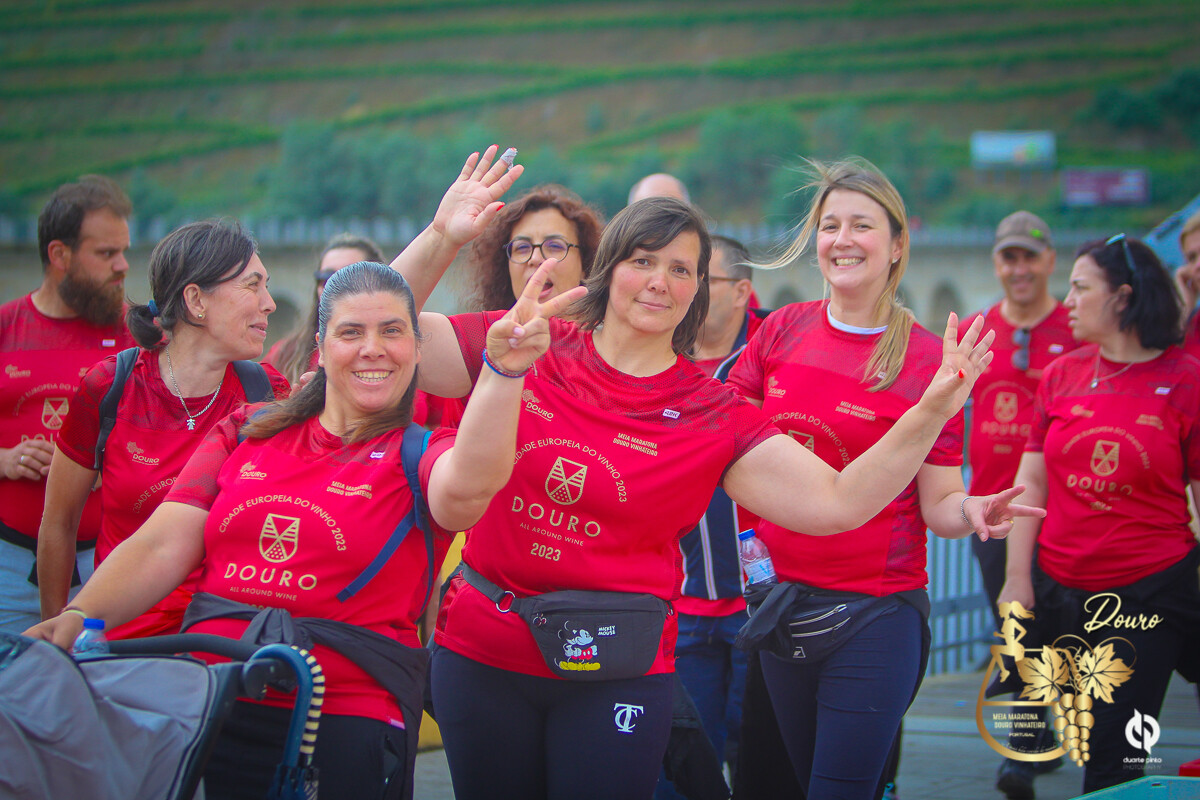
Starting running after 40 is very common. In the last decade, both in Spain and in many other countries, the number of people who start running as they approach 40—or even after they’ve passed it—has grown significantly.
Reasons for this boom in runners over 40? The first could be that running is trendy, and it’s been proven it’s not a passing fad. Running has become a way to “invest” in health, leisure, relaxation…
For more than a decade now, the number of people who run (especially in the 35 to 50 age range) has been at levels that were unthinkable in the last decades of the 20th century.

Another very telling fact is the comparison between today’s participation figures in popular races (5K, 10K and 15K), half marathons and marathons, and those recorded 20 or 25 years ago; it’s also striking to see the huge increase in the number of events—both road and trail—that has taken place over the last 15 years.
The percentage of men who run is still higher than that of women, but in the last decade (especially in the last five years) the growth of women in running has been very strong in Spain.
Race registrations are a good indicator, confirming a steady increase in the percentage of female participation. And when you analyse women’s participation in recent years in popular races, you can see that the highest percentage of female runners is concentrated in the 35 to 45 age range.

Also, another reason why running is trendy and becomes the option chosen by many people who decide to take up sport after 40 is that it’s a low-cost way to exercise and can fit fairly easily into busy work schedules and family commitments.
Many people say they turned to running after 40 because it’s the most flexible option they’ve found for exercising—without fixed schedules and with the freedom to lace up their running shoes and head out for a few kilometres at any time.
Before starting running after 40, you should consult your doctor
As long as you don’t have any health issues, physical limitations or excess weight (running with excess weight can be harmful for joints, tendons and ligaments), starting running after 40 can be healthy and positive, especially if it means leaving a sedentary lifestyle behind and getting active again. However, if you decide to start running after 40, it’s advisable to take a few precautions to avoid unnecessary problems.
And the first precaution should be to consult your GP, in case they advise against running for any medical reason (chronic condition, specific injury risk due to a previous issue, incompatible medication or medication that may affect heart rate…).
If your GP doesn’t see any issues, you can start adding your first kilometres of CaCo (Walk and Run, the method we’ll look at later), although it’s very likely they’ll mention the convenience of having a general check-up (a check-up and blood test) and even doing a stress test or ergometry to check your actual physical condition. To run, you need a healthy heart because it’s a demanding physical activity.

From 40 onwards—especially if you’ve never run before or you’re returning after a long period of physical inactivity or a sedentary lifestyle—you need to be sure that running won’t become a dangerous sporting activity or pose any health risk.
Health and sport should always go hand in hand. If your trusted doctor considers a check-up, blood work and/or a stress test necessary, you should follow their advice.
General recommendations for starting running after 40
Before listing a series of practical tips for anyone who decides to start running after 40, it’s worth making a few recommendations (or precautions) to keep in mind.
After making it clear that the first step is to consult your GP and follow their guidance (regarding check-ups and reviews), it’s also important to stress that there are certain things you need to be very clear about from day one.
First, take it easy. There’s no need to rush your progress. You need an adaptation period that may be longer or shorter depending on the person; naturally, it won’t be the same for someone who has exercised regularly as for someone who has spent several years without any physical activity or living a sedentary lifestyle.
You need to start running gradually and, at least for the first 4–6 months, without competitive goals. From 40 onwards, the body doesn’t respond to effort the same way it does at 20 or 30. From 30 onwards you start to lose muscle mass (according to studies, between 3% and 5% each decade), so at 40 you don’t have the same muscle strength, nor the same elasticity and recovery capacity after exertion.
So, be patient and support your muscles’ gradual adaptation to effort.

In general, if you’re consistent and follow a 3-days-a-week training plan rigorously, it’s normal to start noticing improvement after three or four months of running (of course, it all depends on each person’s starting fitness level).
So, you need patience and consistency to get through the 3–4 month adaptation period that’s usually needed to notice improvement and start to “enjoy” it. Consistency is the best ally in any sport, but in running it’s crucial—especially in the first months, when there are more reasons to feel discouraged.
The goal is to progress sensibly and without rushing. Age means you lose strength, aerobic capacity, flexibility… When starting running after 40, you need to be very sensible with your training and the effort you put into it. “Pushing too hard” in the first months carries a very high risk of discomfort and, worst of all, possible injuries.
Getting injured in the first months of starting running can be very discouraging, because whatever progress you’ve made—little or much—will come to nothing if you have to stop because of an injury.
Practical tips for starting running after 40
1. Follow a training plan
If you’re starting from scratch or after a long period of inactivity, it’s very important to have a training plan suited to your starting fitness level.
What’s recommended for starting running after 40 is to have a training plan designed by a physical training specialist. That way you can be sure you’re doing things right from the start and avoid injury risks. With a coach who designs a tailored training plan, it will be much easier and safer to make progress.
Another option for getting into running is the CaCo method (Walk and Run). The CaCo method is recommended for people who are starting running from scratch, but also for those returning after a long break (whether for personal reasons or due to an injury), as it will help prevent problems in muscles, tendons and joints.
2. Invest in suitable, quality kit.
You don’t need to buy the latest-generation kit, but it is advisable to choose the right technical clothing and running shoes.
Choosing running shoes can be a complex topic at first, so it’s a good idea to ask for advice at a specialist retailer. You need to choose based on your gait (supinator, pronator or neutral), weight (weight matters to determine the right cushioning), the number of kilometres you’ll run each week, and the type of terrain you’ll run on (dirt, asphalt…).
In our article “Running shoes for starting running” we explain everything you need to consider when choosing running shoes to start running.
Choosing technical clothing is, without a doubt, easier than choosing running shoes. Go for lightweight, comfortable garments that offer good breathability and quick drying. In the article on this same blog titled “Technical clothing for starting running”, we detail a series of recommendations on what to look for when choosing technical clothing to start running—especially what type of T-shirt and socks.

In our online shop you can find a very wide range of technical running garments, for both men and women.
3. Do a proper warm-up before running
Doing a proper warm-up before running is essential to prepare your body, especially your feet, ankles, knees and hips. There are no excuses for skipping your warm-up.
A good warm-up has many benefits: preventing injuries, increasing heart and breathing rate, improving flexibility, and improving focus.
If you want to learn more about the importance of warming up before running, you can do so with this article “How to do a good warm-up before running”.
4. If discomfort appears, stop
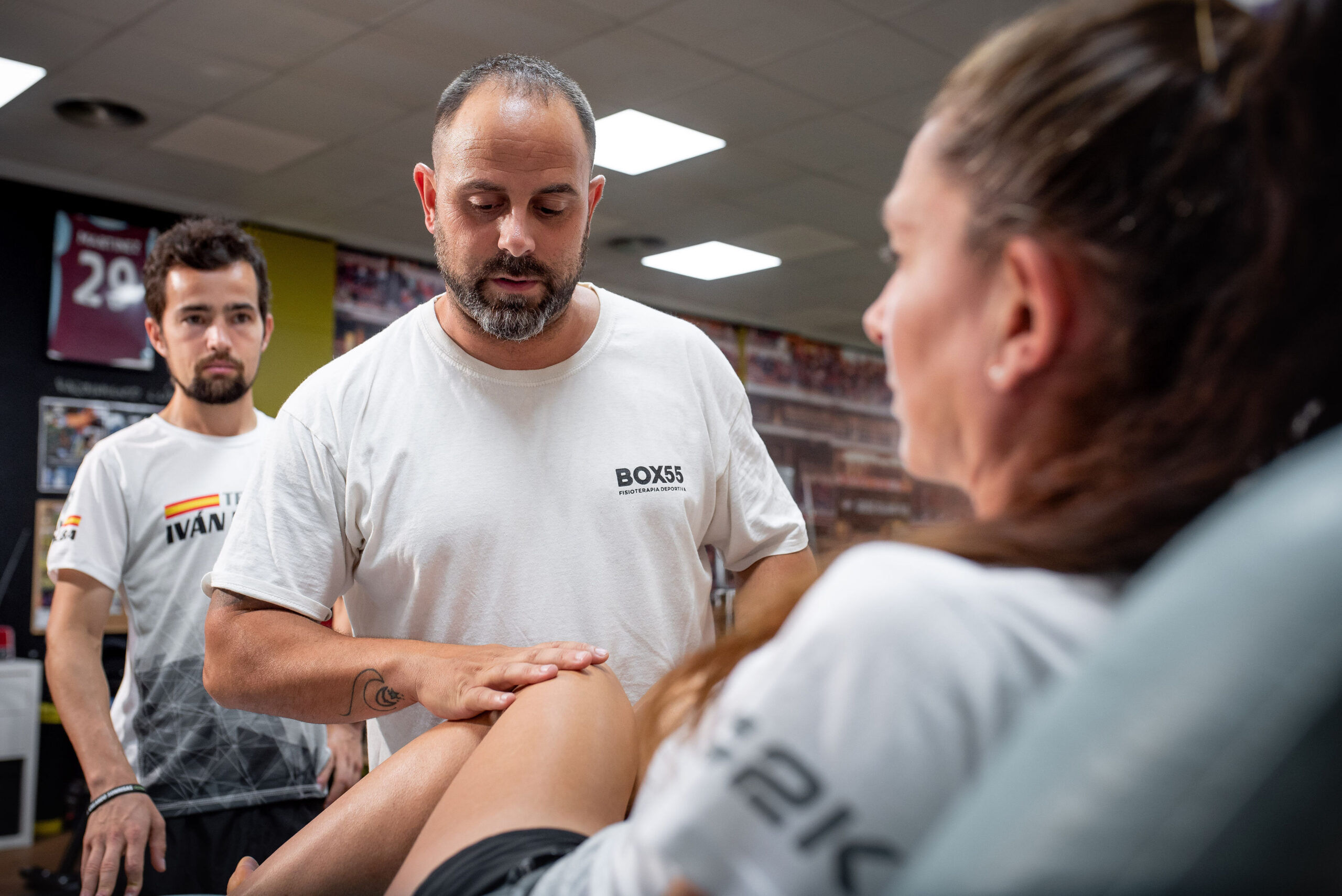
You need to ditch the idea of “no pain, no gain”; pain is a warning that something isn’t right, so anyone who decides to start running after 40 and notices any discomfort or persistent pain should see a physiotherapist or healthcare professional to determine whether there’s an underlying issue.
It’s normal that during the first weeks (even the first months) muscle soreness—or what in scientific terms is called delayed-onset muscle soreness (DOMS)—may appear to warn you that you’ve gone beyond the intensity level your body is prepared for.
In other words, if one day you run faster or for longer than planned without the right fitness level, you’re likely to suffer micro-tears in muscle fibres, which cause the discomfort known as muscle soreness.
Muscle soreness is temporary and goes away on its own if you get a bit of rest and combine it with gentle stretching and applying heat. What you shouldn’t believe is the false myth that “muscle soreness goes away with more exercise” or that the remedy is drinking sugar water; it’s false and it’s dangerous. Muscle soreness alerts you that you’ve pushed too hard, so rest for a couple of days and, when it’s gone, go back to running with caution.
What you do need to learn is how to tell muscle soreness apart from other muscular or joint pain that should put you on alert and prompt you to seek a physiotherapist’s opinion as soon as possible.
5. A healthy, balanced diet
A healthy, balanced diet is very important for anyone, but it matters even more if you exercise regularly—and especially for people who start running after 40.
Many variables can affect a person’s nutritional requirements or needs (age, sex, weight, health status, intensity of physical activity at work, intensity of sporting activity…), but as a general rule you should opt for a complete diet that includes all the nutrients the body needs: carbohydrates, proteins, vitamins, fats and minerals.
And a very important aspect of a healthy, balanced diet is staying hydrated, especially in summer. It’s recommended to drink 1.5 to 2 litres of water a day, although hydration needs can vary depending on physical activity, temperature, humidity… On the importance of hydration, you may find our blog article titled The risk of dehydration in running. interesting.
If you have doubts or want to make changes to your diet and don’t know how, it’s advisable to see a registered dietitian-nutritionist.
6. Work on strength
If you’re going to start running after 40, you should work on strength. Strength training is very important for everyone from 40 onwards (you start losing muscle mass from 30) to maintain adequate muscle mass and support healthy fitness as the years go by.
Stronger muscles will help us improve our running performance. Strength work is essential to progress and improve as a runner, but it’s also very important for preventing injuries. It’s essential to include strength work in your weekly training routine.
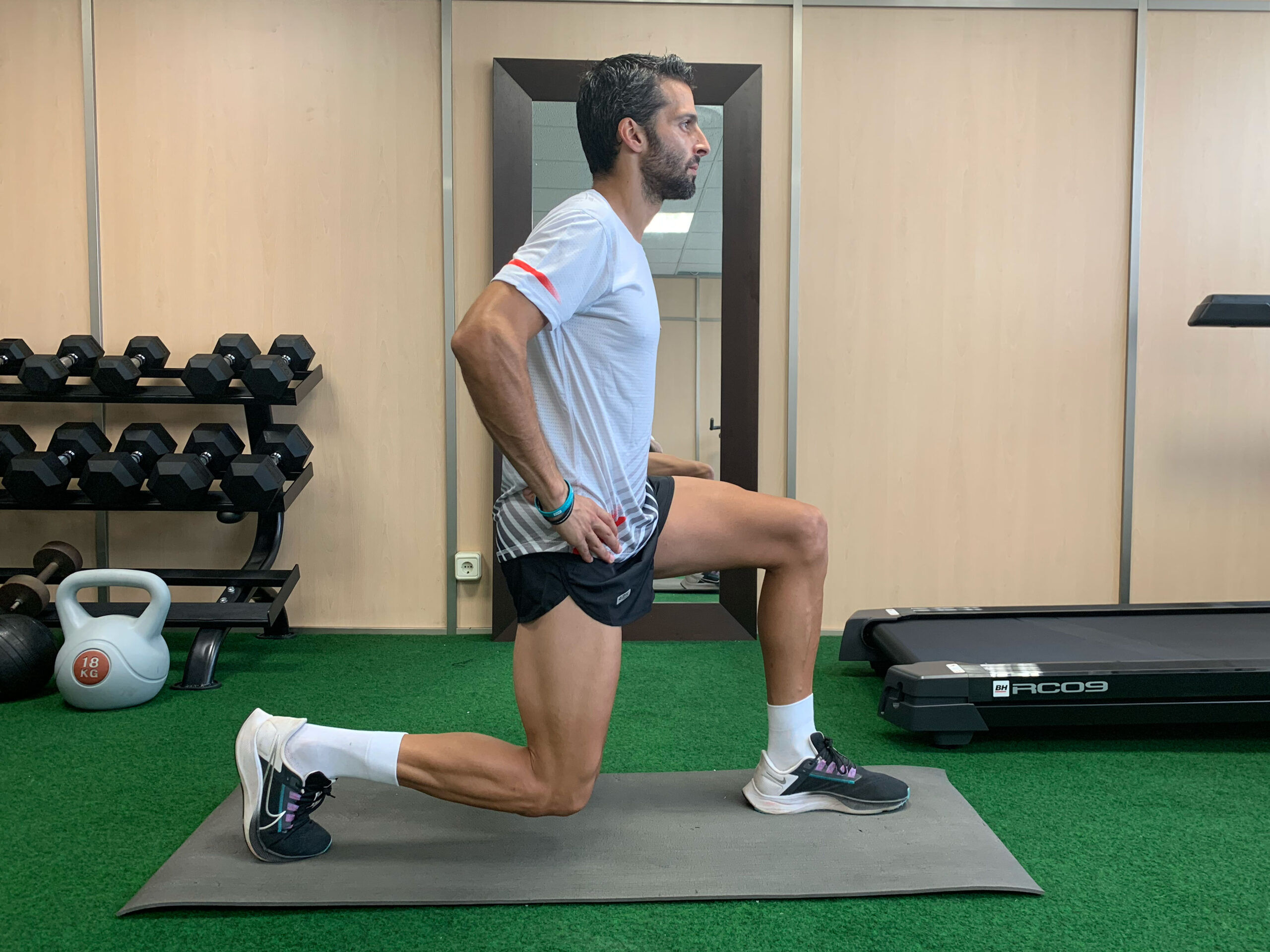
On our blog you can find different articles to learn much more about strength training and how important it is for improving in running. If you’re starting running or you’ve been running for a while and don’t know how to begin working on strength, these articles may be very useful: 3 basic leg strength exercises, Core training for runners or Strength training: essential for runners.
7. Make rest a priority
Rest is very important for making progress in running. Take your steps patiently and don’t try to train more than you should.
Especially when you start running after 40, rest is just as important for progress as training. Rest allows muscles to recover so you can face the next training session. Don’t listen to anyone who tells you that to improve you need to run almost every day, or that one day of rest is enough to recover.
If you start running and try to go out to train every day, you’ll be taking a huge risk and you’ll almost certainly end up with an injury or discomfort that sidelines you.
A good start could be running 3 days a week and dedicating a fourth day to strength work.
8. Don’t rush to pin on a race bib
Don’t be in a hurry to compete; don’t rush into it. It’s recommended to increase training intensity gradually and with a plan, but without thinking about races or competitive challenges.
If you start running after 40, it’s advisable to spend 4 to 6 months training and getting your body used to the changes running will bring. Don’t rush to sign up for a race just because someone tells you that “it’s the same as a training session, but with a race bib”.
It’s true that running is a sport that calls for new challenges as you progress. Trying to push yourself physically and mentally is great, but you need to do things sensibly. Taking part in popular races and starting to track your results can be the perfect fuel you need to keep going and try to improve, but you need to take steps in a very sensible way and not rush.

If you follow a training plan with consistency and seriousness, you’ll be able to increase your pace and running time progressively. When you’re able to run steadily for 45 or 50 minutes without difficulty, it may be time to become a recreational runner and enjoy the excitement of pinning on your first race bib in a 5K.
When you can complete 60 minutes of continuous running without difficulty, you can try the most popular distance: the 10K.


Text for 42K by:
Paco Amorós
Responsable de Comunicación de 42K
Licenciado en Periodismo por la Universidad CEU Cardenal Herrera y máster en marketing digital. Responsable de Comunicación de 42K.
Other posts by Paco Amorós






Be the first to comment on this post!