
Subscribe to our newsletter to keep up with all the latest news and promotions, and automatically receive a welcome discount coupon in your email.

General search
42K

Be the first to know with the 42K newsletter!
CUSTOM

Customise your kit with our CUSTOMIZADOR!
CUSTOMISE NOW!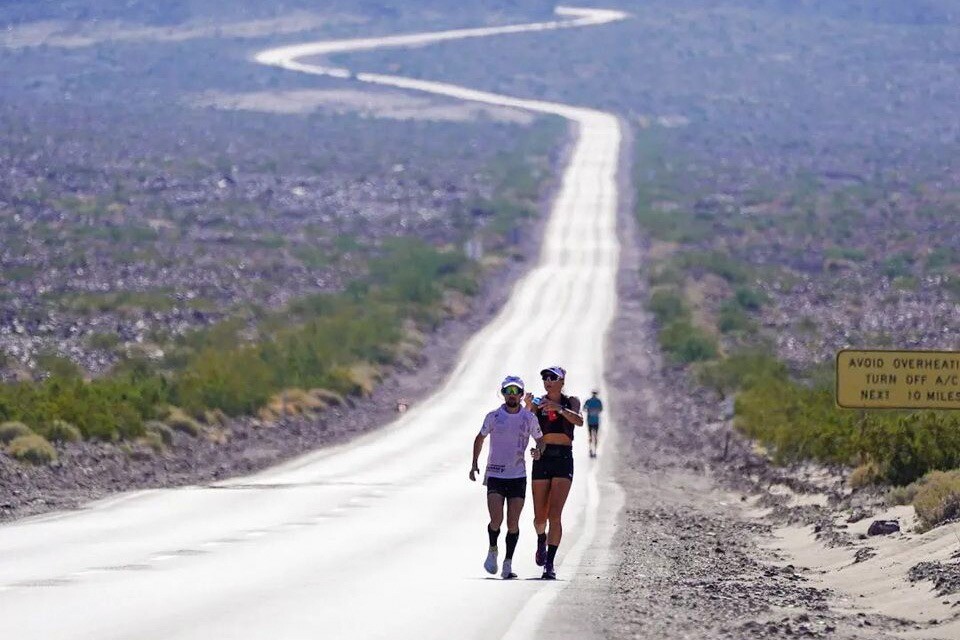
The risk of dehydration in running
by Ismael Martínez García
The risk of dehydration in running is an issue that should concern anyone who runs, especially when taking part in races over a certain distance (or duration), and even more so when they’re held in summer or in humid conditions.
Dehydration occurs when a person loses more fluids than they take in, which ends up leaving the body without enough water to function normally.
The proper functioning of all vital functions depends, among other factors, on proper hydration. With prolonged exercise, water loss through sweat and urine is very high, and it increases significantly when temperatures are high, as in summer, or in humid environments. The risk of dehydration must always be considered when doing intense, prolonged sport, but especially in summer because the risk increases.
Dehydration: an enemy to be feared
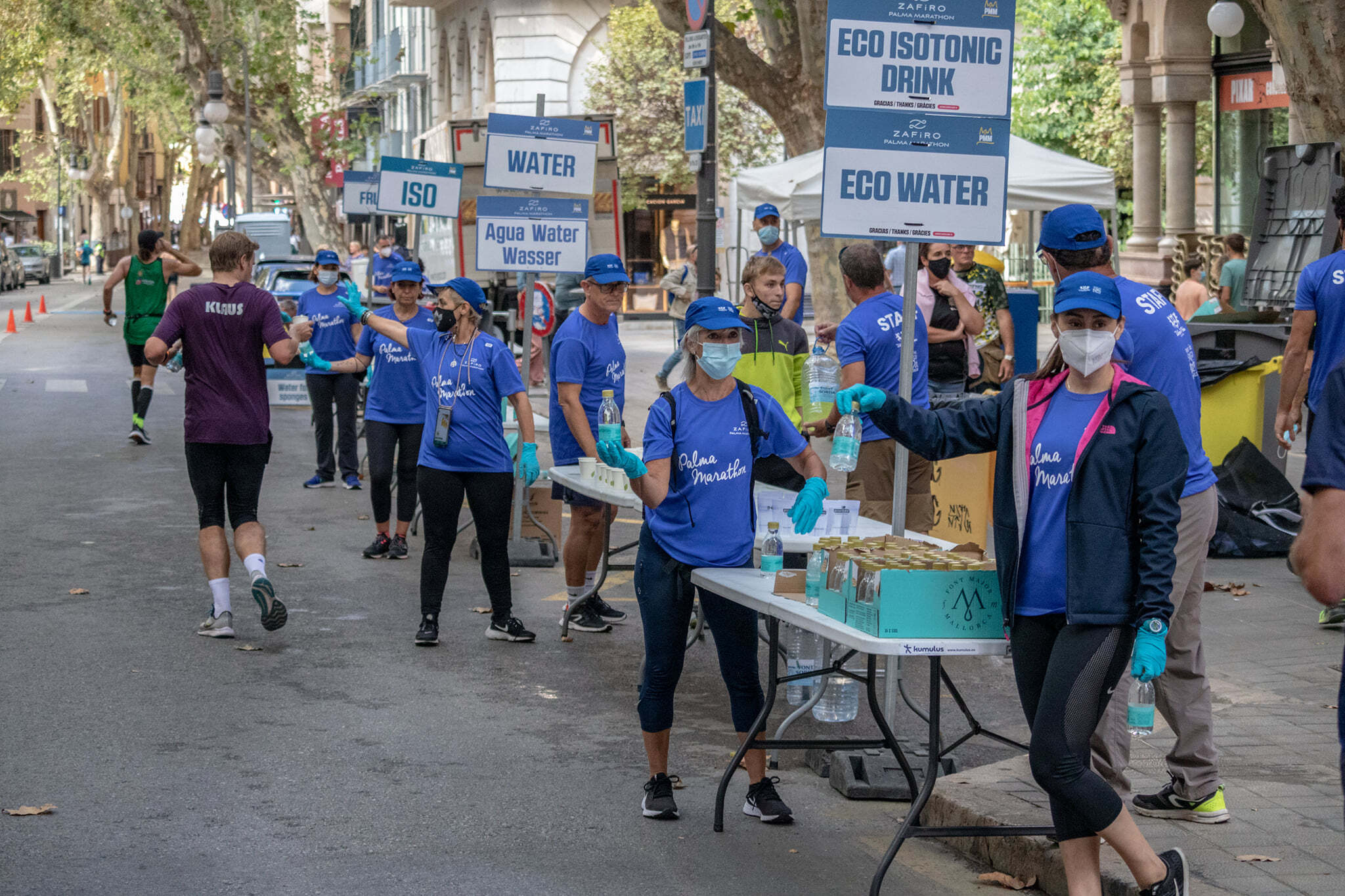
Dehydration is one of the enemies runners face in any long-distance race from the second hour of competition onwards. And it’s not just any enemy—it’s one that must be taken very seriously.
One of the main reasons for dropping out in endurance sports is inadequate hydration, insufficient hydration, or both.

It’s common for dehydration to take runners out in the marathon and in trail running events that go beyond 2–3 hours of racing; however, it’s preventable and often happens due to athlete mistakes.
First of all, it’s worth noting that it’s not only necessary to be properly hydrated at the time of the event, but also in an athlete’s day-to-day life. So, poor hydration is one of the limiting factors for good performance, post-training recovery, and preventing complications during competition.
As mentioned earlier, the main causes of dehydration are sweating and urination (that is, situations in which fluid is expelled from the body). These vary depending on weather factors such as temperature, humidity, and wind.
Symptoms and consequences of dehydration
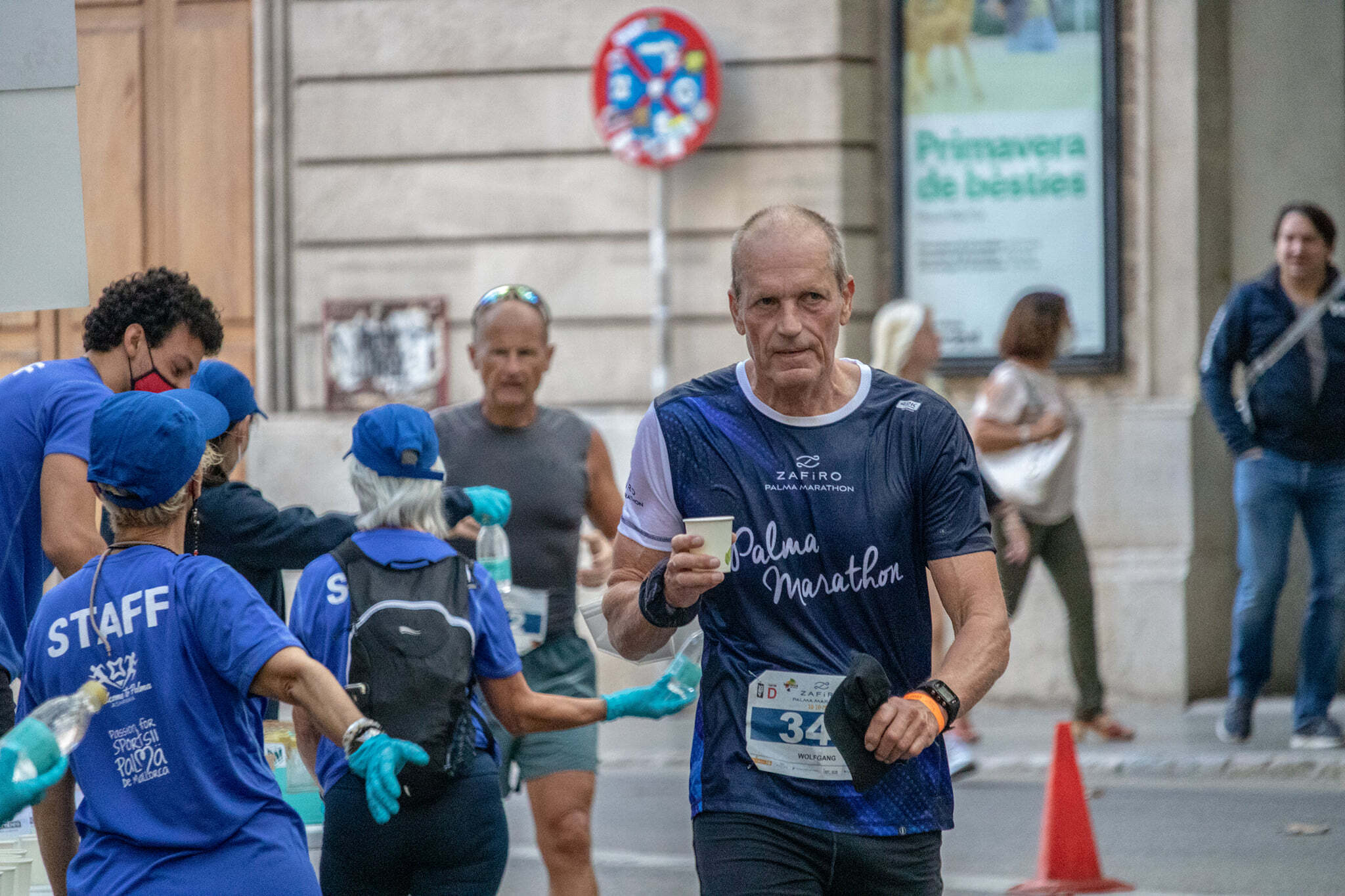
The first symptoms of dehydration during a race may appear when the problem can no longer be solved; this happens because the athlete may previously have overlooked symptoms they didn’t give enough importance to: thirst, less frequent urination, darker urine, fatigue… As dehydration worsens, these symptoms can be compounded by low energy, dizziness, confusion, an irregular heart rate, nausea…
Some of the consequences of dehydration are as follows:
- Cramps: painful spasms in the abdominal muscles and joints, caused by incorrect sodium replacement. In other words, you may have drunk an adequate amount, but not in the right way.
- Syncope: typically occurs in the first days of training in an environment with higher temperature and humidity than usual. After a week, the body acclimatizes to the new weather conditions.
- Exhaustion: gastrointestinal complications (nausea/vomiting/diarrhea), a feeling of heat in the head and torso, fatigue, hyperventilation. It often leads to withdrawing from the event due to the inability to continue physical activity.
Hyponatremia: what is it and how does it happen?
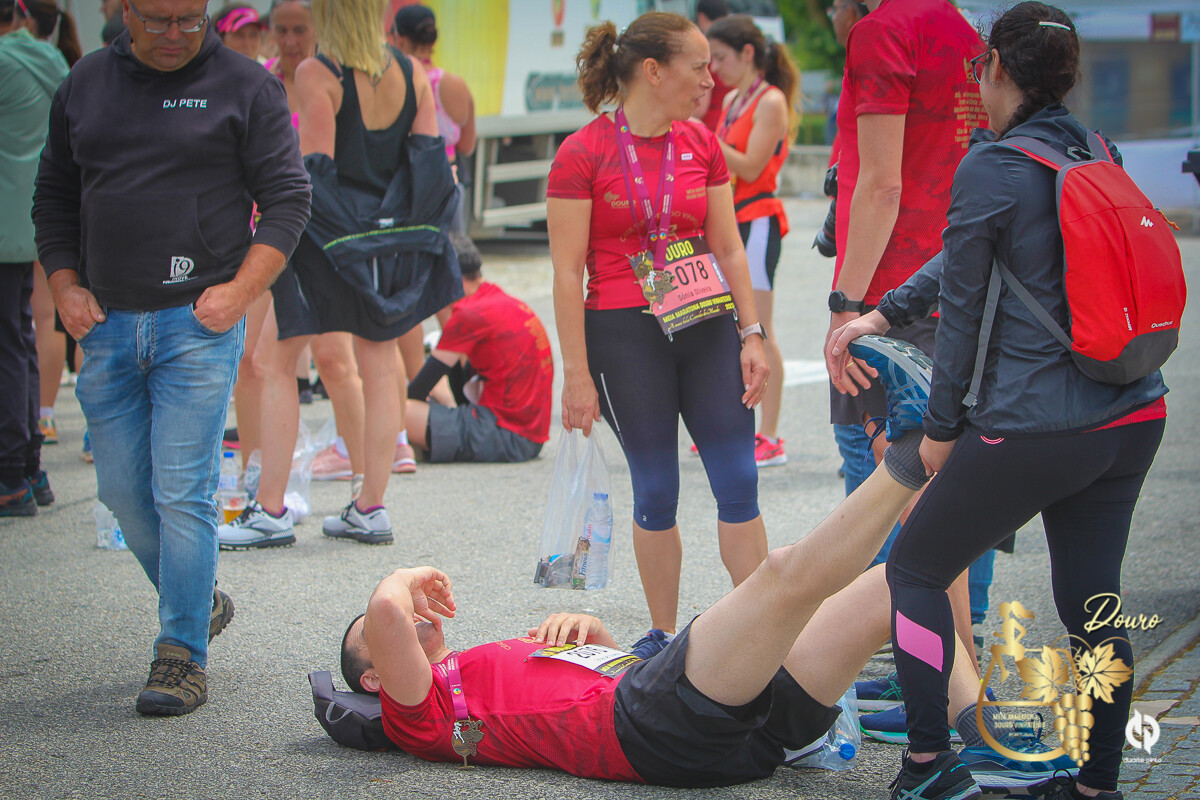
Hyponatremia is one of the main complications in endurance and ultra-endurance athletes. An athlete has hyponatremia when they have a below-normal concentration of sodium in the blood. It’s highly characteristic of events lasting more than 6 hours, although it can also occur during 2 to 4 hours of activity.
It’s an asymptomatic phenomenon and therefore difficult to detect, but in extreme cases it can have serious consequences and even lead to an athlete’s death. Fortunately, it usually doesn’t reach such extreme cases, and a good hydration strategy prevents it from occurring.
The causes of hyponatremia are mainly the following:
- Excess body water: due to excessive water intake or poor excretion.
- Reduced sodium in the blood: caused by excessive sweating and poor replacement of this mineral.
In other words, there are times when, despite drinking a significant amount of water, you’re not properly hydrated—and the problem is caused by a lack of sodium. It’s not enough to replace water to compensate for the loss through sweat and urine; it’s also very important to replace sodium with salt capsules or rehydration drinks (you can alternate water with these types of drinks).
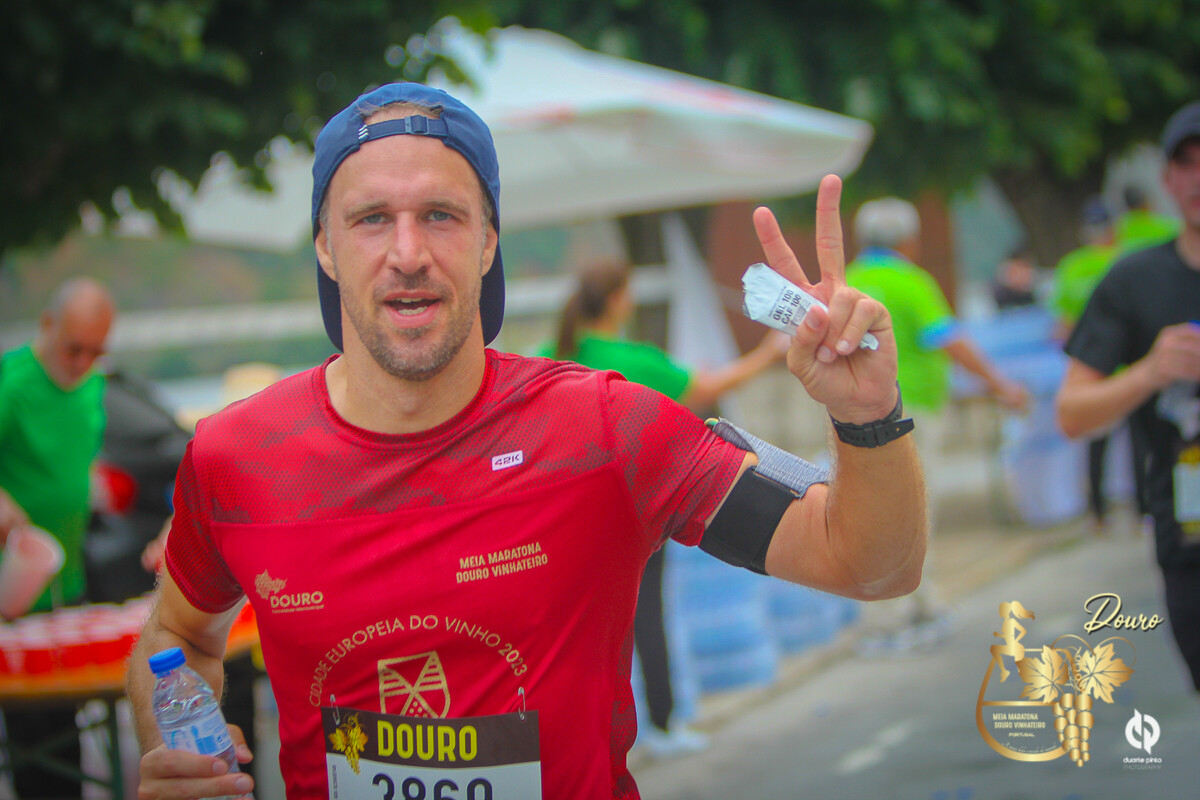
As a general recommendation, adequate hydration would be around 500–700 ml of fluid per hour, but we’re going to try to personalize it a bit more with a practical example of how to do it:
A runner wants to know how much they should hydrate during a marathon (starting at 9:00 with a temperature of around 15 degrees) that they expect to complete in 3 hours. A few weeks before the marathon, they should go for a 1-hour run at 9:00, with a temperature and pace similar to race day. Just before going out, they weigh themselves and note a weight of 75 kg. During the hour of training, they hydrate as normal and after 60 minutes they get home and weigh themselves again, recording 74.2 kg; they look at their bottle and see they drank half a liter of water (0.5 kg).
So, in one hour the athlete needs to replace 1.3 kg of fluid for optimal performance. The equation is STARTING WEIGHT – FINAL WEIGHT + FLUID INTAKE.
Lastly, I’d like to emphasize that nutrition planning in endurance/ultra-endurance events is complex, as multiple variables must be taken into account, such as sodium and other mineral intake, carbohydrate intake per hour, fluid replacement, gastrointestinal issues, the ability to take in food/fluids, aid stations, type of sport, personal needs, sports equipment available to the patient, etc.
Therefore, on behalf of all registered dietitians-nutritionists, we recommend that any runner planning to take on a long-distance race puts themselves in the hands of professionals. With a sports nutrition specialist, you’ll know how to correctly plan your hydration/nutrition for your sporting goal without putting your health at risk.


Text for 42K by:
Ismael Martínez García
Dietitian-nutritionist
Dietitian-nutritionist, graduated from the Universidad de Valencia. Master's in Nutrition for performance in endurance/ultra-endurance sports from the Academia Española de Nutrición. Registration no. CV00678 with the Colegio de Dietistas y Nutricionistas de la Comunidad Valenciana
Other posts by Ismael Martínez García





Be the first to comment on this post!