
Subscribe to our newsletter to keep up with all the latest news and promotions, and automatically receive a welcome discount coupon in your email.

General search
42K

Be the first to know with the 42K newsletter!
CUSTOM

Customise your kit with our CUSTOMIZADOR!
CUSTOMISE NOW!
In this article, athlete Jaume Albarañez talks about running shoes for beginners. Not about brands or models, but about what you need to consider when choosing running shoes to get started in the world of running.
What running gear is essential when you’re getting started? It may seem like an easy question to answer for someone who already runs. However, for someone taking their first steps in running (or any sport), it’s normal to have doubts about what gear is necessary or essential to start training.
That’s why this topic has been split into three articles, to go deeper into each section. In this first instalment, you’ll find a series of tips for choosing the right running shoes for beginners, and in upcoming articles we’ll cover technical clothing, accessories, and tech gadgets.
Foot strike, key to choosing running shoes for beginners
Someone who’s new to running will probably have lots of questions when choosing the gear they need, but especially when it comes time to choose running shoes for beginners.

Do you need the latest-generation running shoes? Should you buy them online or get advice from a specialist shop? Is it worth investing in an expensive model, or is it better to start with a “budget” one? Will investing in good running shoes help me progress faster? Can I have physical or health issues from a poor choice of running shoes for beginners?
Running shoes for beginners by foot strike: overpronation, supination, or neutral
When someone decides to start running, it’s common to think “I need running shoes.” I’d like to share a thought I keep very much in mind and have repeated for many years: “I’d rather spend €60, €80, or €100 on suitable running shoes that fit my needs and circumstances than €300 on physio sessions because of unsuitable running shoes.”
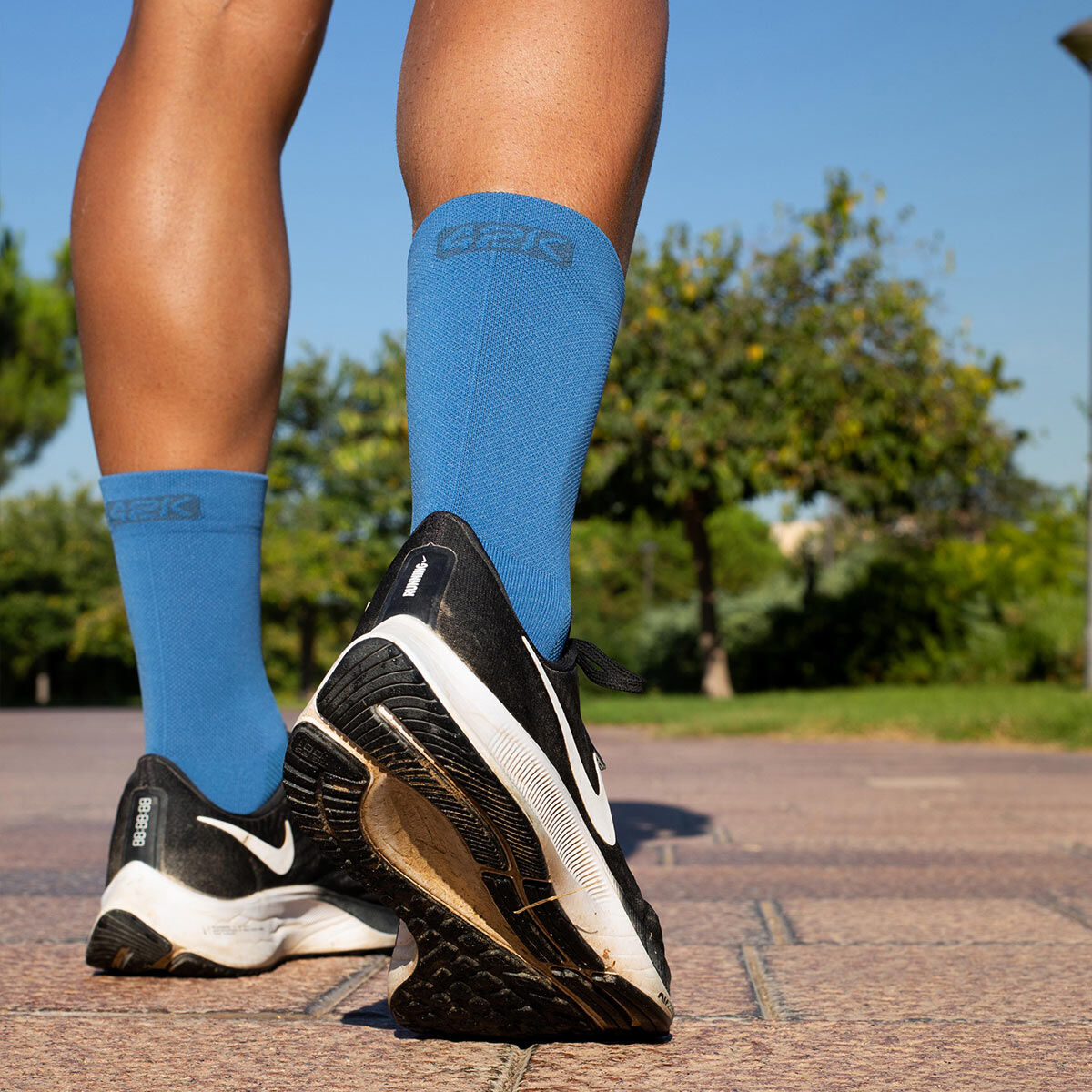
With this I’m not trying to say you shouldn’t spend money on physio sessions when needed—of course not. What I want to make clear is that when choosing running shoes, you need to invest in suitable running shoes. And by suitable, I don’t mean “the most expensive” or “the most cutting-edge”, but the ones that best match your foot strike, weight, weekly mileage, usual training surface, running technique, etc. That way you’ll avoid sports injuries.
Your foot strike is the most important thing to consider when choosing running shoes for beginners.
Various studies have shown that many people end up getting injured because they don’t use running shoes suited to their foot strike. Some specialist shops carry out gait analyses to determine what type of running shoe you should use, which can be very helpful when you’re starting out. Foot strike can be classified into three main groups:
- Overpronation.
- Supination.
- Neutral.
Weight, an important factor when choosing running shoes
On the other hand, depending on our body composition (weight), we’ll use running shoes for beginners with more or less cushioning. In this section I’m going to give a tip I consider useful for most people: for easy runs or “long runs” (longer outings), I recommend running shoes with good cushioning, regardless of body composition, so you can cover lots of kilometres in maximum comfort.
Cushioning in running shoes is essential to reduce the impact against the ground when running, specifically during the stance phase of the stride.
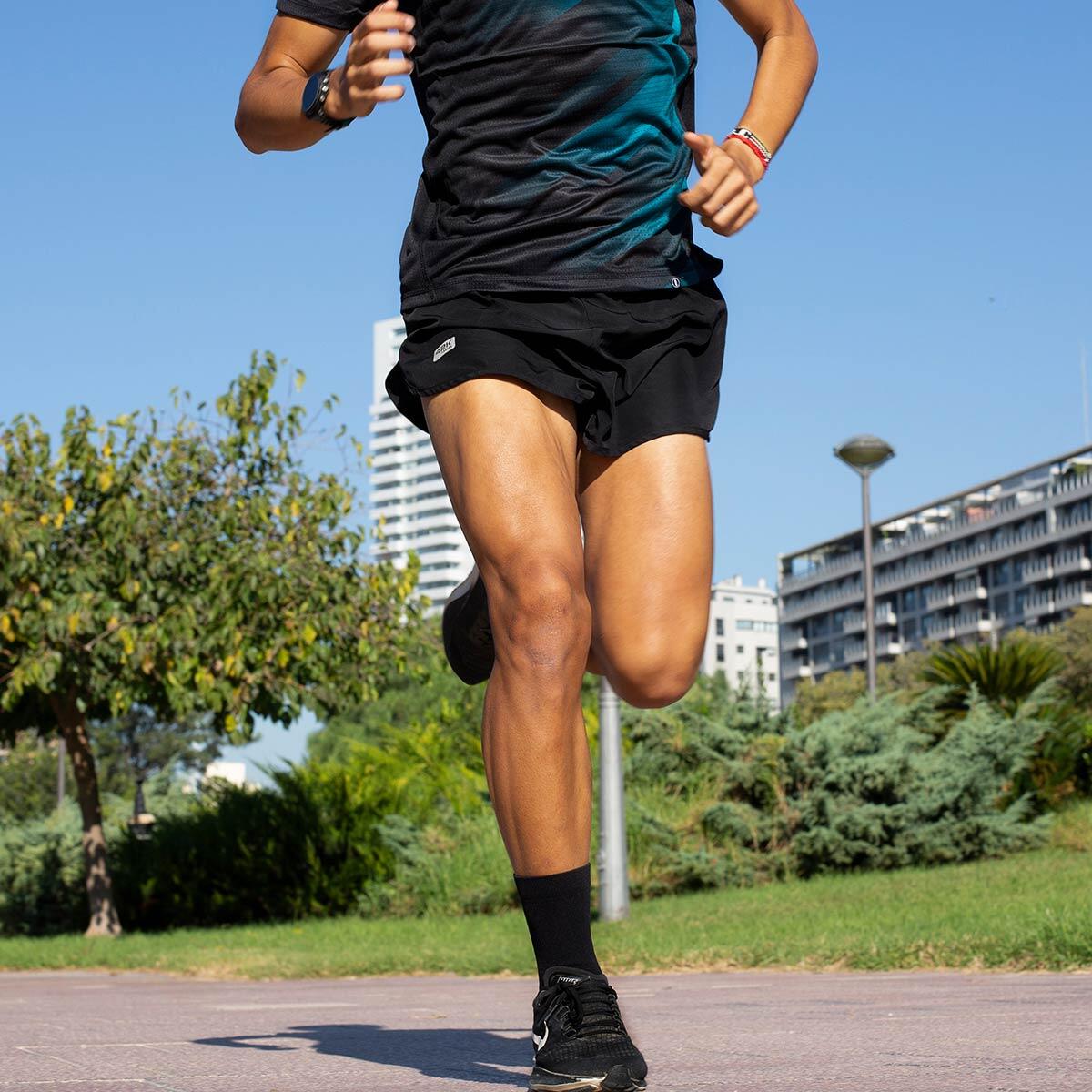
The cushioning systems included in most running shoes (there are models without cushioning called “minimalist” that require special adaptation and are not recommended for people who are starting to run) are designed to gradually absorb the force of the impact against the ground and reduce vibration (tension) that travels through the whole body via muscles and bones.
Terrain: running shoes for beginners—road or trail?
Another important aspect when choosing running shoes for beginners is the type of terrain you’ll mostly run or train on.
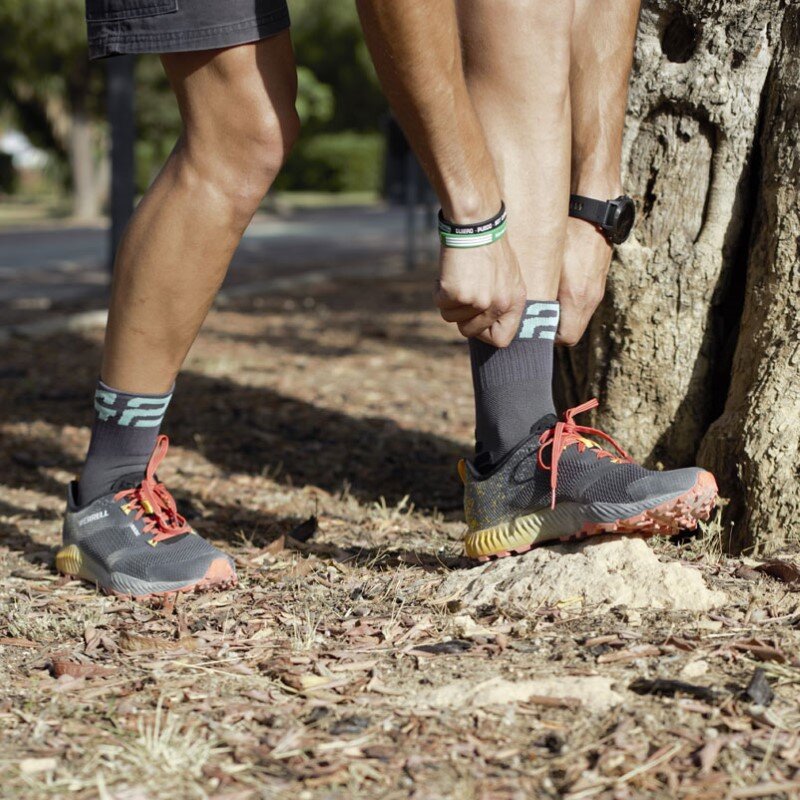
Training on asphalt isn’t the same as running on dirt paths or through forests. To run on surfaces with loose dirt that can slip, you’ll need running shoes with an outsole that guarantees good grip (road running shoes can be very unsafe on dirt tracks, especially when tackling descents).
Advice from a specialist shop can be very valuable
Online shopping lets us find a huge range of running shoes for beginners that can fit our needs, but my recommendation for anyone starting out in running (or any other sport) is to go to a specialist shop, because the staff will usually offer advice based on your foot strike, weight, the terrain you’ll mostly run on, the weekly mileage you plan to do…
And it’s also a way to try on different models and be sure you’ve chosen the right size, feel the differences between models, check whether they cause any discomfort, pressure, or rubbing, etc.
The price in a specialist physical shop may be slightly higher than what you can find online, but you need to understand you’re paying for the seller’s expertise and time to help you choose running shoes for beginners—footwear you’ll be using for hours and hours of training.
Sizing: they should never be tight
If you ultimately decide to buy online, you need to make sure the size is right. And at this point I want to stress and remind you that it will never be the same size you wear in everyday shoes, but at least one size up, because your feet swell when you run.
One of the main mistakes people make when they start running is using running shoes that are too tight, which end up causing very unpleasant discomfort and can even damage your toenails.
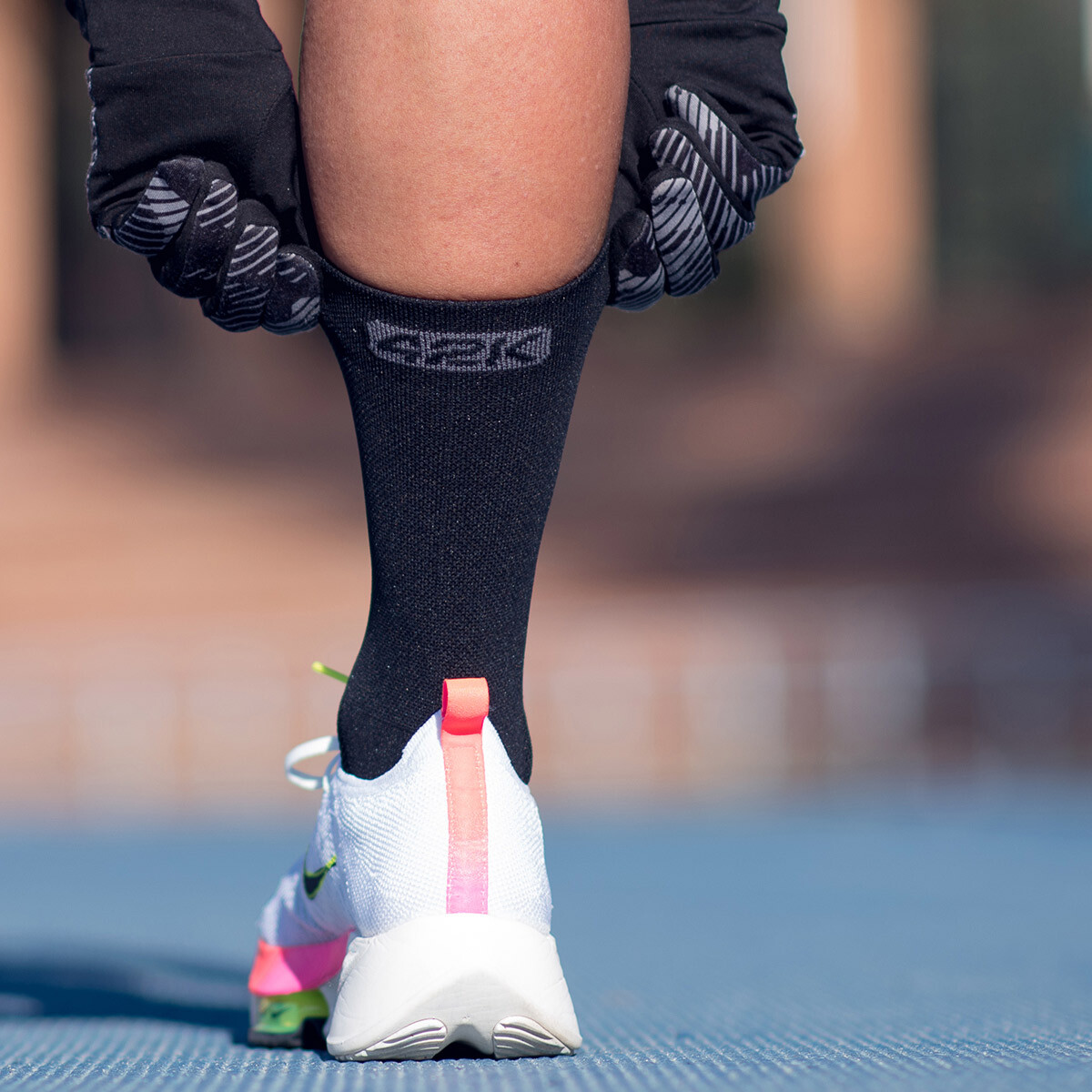
Careful! If you buy online, sizes can vary by brand. Don’t assume that if you wear a 41 in brand “X”, you’ll also wear a 41 in brand “Y”. What’s more, sometimes even within the same brand there can be size differences depending on the model.
And to wrap up the topic of running shoes, when should you replace them? Obviously, when your running shoes rack up a significant number of kilometres, they start to lose their grip (due to outsole wear) and cushioning. If the outsole of your running shoes is worn down, you could find yourself in a risky situation due to lack of traction.
Depending on use (weekly mileage), foot strike, and each person’s weight, wear will happen faster or slower. But I do think it’s important to warn that running shoes with a worn outsole or any deformation from overuse are not suitable for regular training.
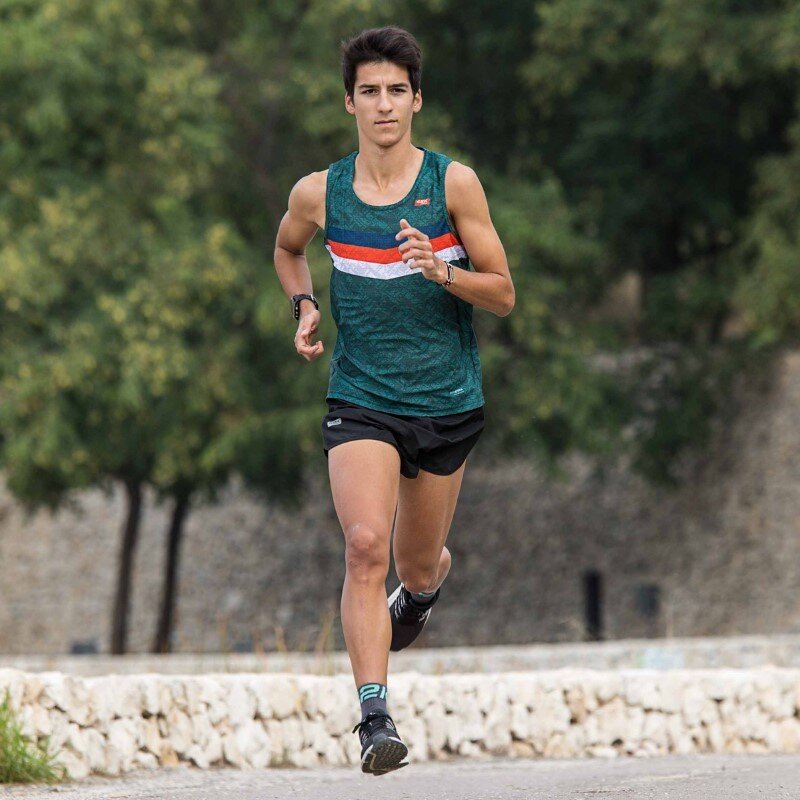

Text for 42K by:
Jaume Albaráñez
Strength and conditioning trainer
Athlete in the CD Metaesport team. He is studying Physical Activity and Sport Sciences at the Universitat de València.
Other posts by Jaume Albaráñez
Other posts that may interest you.

My first race: tips for handling the nerves and competing with confidence

What to eat before a half marathon: a nutrition guide to perform at your best over 21K


What factors does sports performance depend on? (Series 1: Energy systems)


Be the first to comment on this post!