
Subscribe to our newsletter to keep up with all the latest news and promotions, and automatically receive a welcome discount coupon in your email.

General search
42K

Be the first to know with the 42K newsletter!
CUSTOM

Customise your kit with our CUSTOMIZADOR!
CUSTOMISE NOW!
In a previous blog post, I tried to answer questions about what to eat (and drink) before a race. Now, let’s look at a series of nutritional recommendations to recover from the efforts of a race. In this article, I will tell you what to eat after a run.
All athletes know that once a competition is over, it’s really important to eat correctly to recover all the metabolic fuels used during the event, but… what’s the right way to do it?
In this article, we will look at what intake should be like after a demanding competition that required intense and prolonged effort.
What to Drink and What to Eat After a Run?
It is very important to consume the right foods in the hours leading up to a competition to achieve optimal athletic performance and avoid potential discomfort that could prevent competing at the best level during the race. But the intake after physical exertion is no less important, because wear and tear has occurred that can have negative consequences for recovery (and to some extent also for health) if the replenishment of all important levels is not promoted.
The importance of knowing what to eat after a run is fundamental for proper recovery, especially when we talk about the physical efforts associated with running or trail running races.
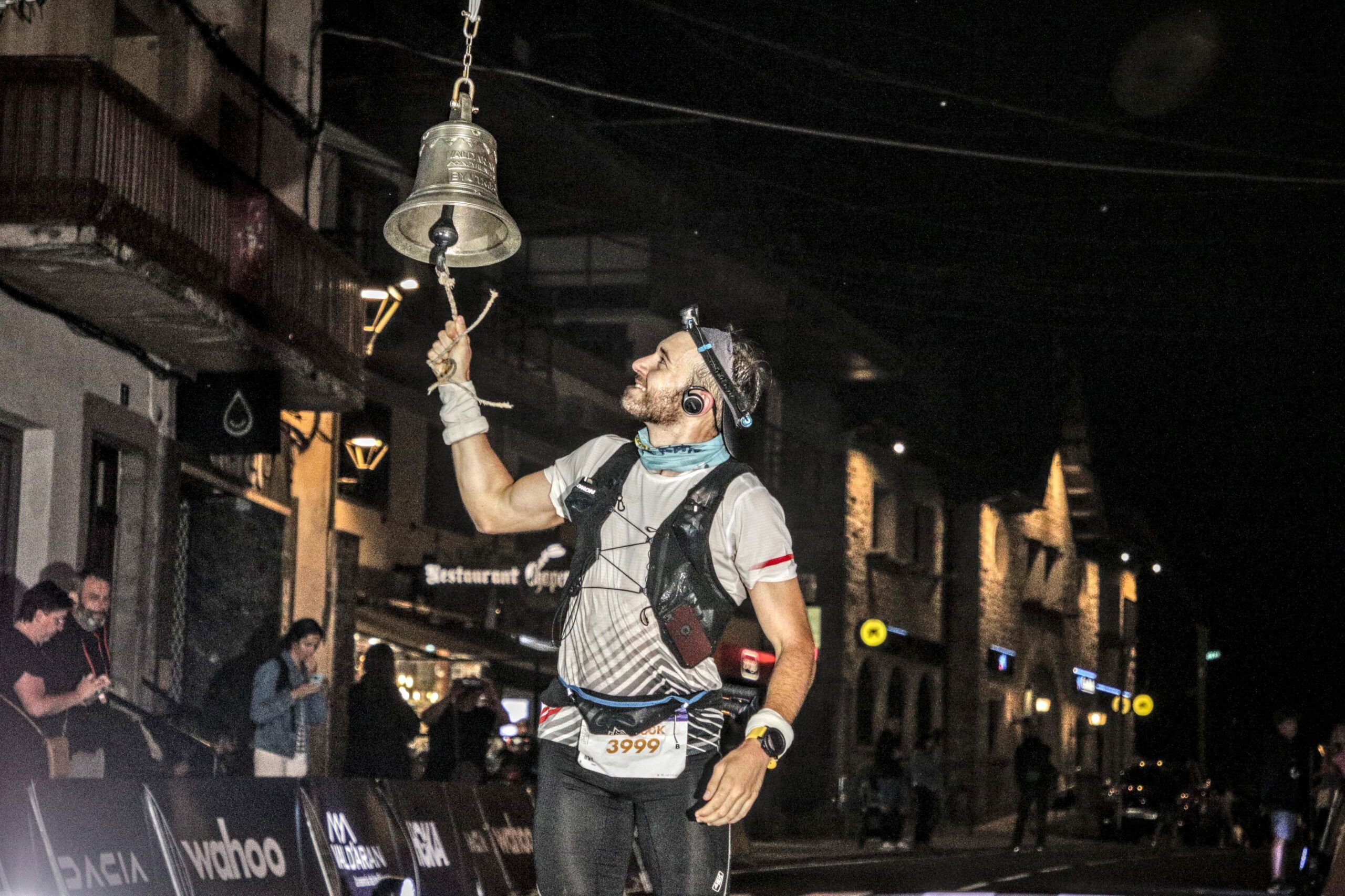
Glycogen Regeneration, First and Foremost
We’ll start by talking about glucose, a carbohydrate used as fuel by our body for physical activity and stored in glycogen stores. Due to intense physical activity, these often end up practically empty.
We could say, therefore, that as a first answer to what to eat after a run, it should be said that our diet after the competition should be focused on the recovery of these glycogen stores.
Replenishing glycogen stores is quite slow. To give you an idea, in the event of hypoglycemia (a decrease in blood glucose commonly known as a “sugar crash”), replenishment begins from the first minute of consuming carbohydrate-rich foods, such as bread, honey, jam, fruit, sugar… [Yes, we can consume sugary foods considered unhealthy, as at that moment our only concern is to avoid fainting or possible medical complications]; however, glycogen stores can take more than 24 hours to recover.
Recommendations for Glycogen Regeneration
However, with a series of correct guidelines, we can reduce the replenishment time of glycogen stores to 12-24 hours. Here are some recommendations for achieving glycogen regeneration:
- Firstly, it is not advisable to train in the 48 hours following the competition, unless it is a low-intensity activity. If we do intense physical activity, the body will continue to demand energy and prevent what we are consuming from regenerating glycogen stores.
- Consume carbohydrate-rich foods during the 24 hours after the run. It is advisable to consume carbohydrate-rich foods approximately 45 minutes after the end of the competition because this will accelerate recovery. That is, it’s not only important what foods to eat, but also when to eat them.
- Carbohydrate-rich foods are essential, but it’s important to consume them without mixing them with fats and proteins, so that digestion and therefore the absorption of nutrients and the filling of glycogen stores are not slowed down.
- Furthermore, given the high satiety power of protein and fat-rich foods, it is advisable to avoid them in the first 6 hours after the competition; the explanation for this recommendation is simple: if these foods are consumed, it will be very easy to feel full quickly, which will mean stopping the intake of carbohydrate-rich foods that are essential for glycogen recovery.
- But… what foods are recommended for glycogen recovery? For example… fruits, honey, jams, rehydration drinks, potatoes, pasta, sweet potatoes, rice, bread, juices, quince paste, vegetables, dried fruits…
- All of this in its white version (avoid whole grains because their digestion and assimilation are much slower) and in the case of pasta and rice, they must be very well cooked (not al dente), as whole grains or undercooked ones are absorbed more slowly.
- And it’s not enough to limit yourself to carbohydrate-rich foods; you also need to include foods with high potassium content and liquid foods. Why? Because liquid and potassium intake are necessary for glycogen regeneration.
Potassium and Carbohydrate-Rich Foods, Low in Protein and Fat
There are many benefits of potassium for the body. It is a very important mineral for health and, in addition to being very effective in preventing muscle cramps (which is why most runners appreciate it), it also helps prevent a wide variety of problems such as high blood pressure, constipation, osteoporosis, or cardiac arrhythmias.
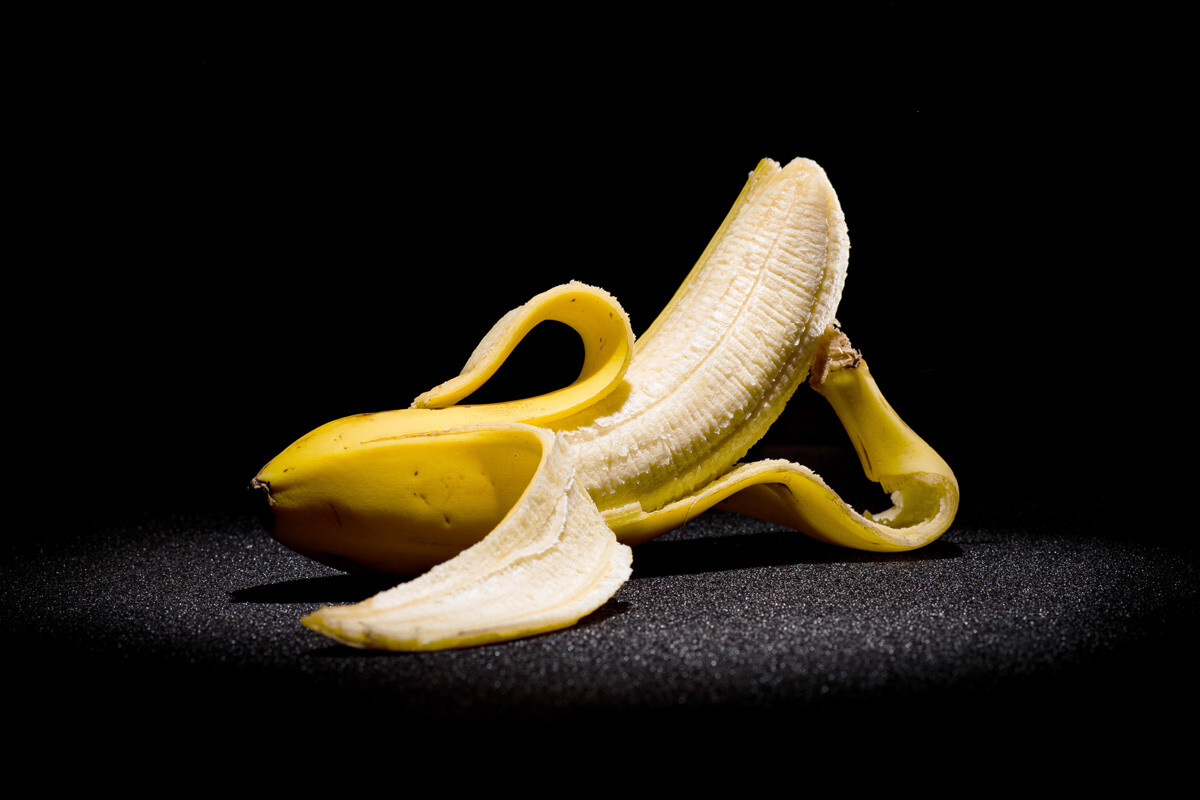
A daily intake of about 3,500 mg of potassium per day is recommended, but for glycogen regeneration, not all potassium-rich foods are ideal; below is a list of foods rich in potassium and carbohydrates but low in protein and fat:
- Potato.
- Sweet potato.
- Banana.
- Kiwi.
- Dried apricots.
- Raisins.
- Dates.
- Watercress.
- Spinach.
- Broccoli.
- Brussels sprouts.
- Saffron milk caps.
- Red pine mushrooms.
I hope these recommendations help you know what to eat after a run.


Text for 42K by:
Ismael Martínez García
Dietista-nutricionista
Dietista – Nutricionista por la Universidad de Valencia. Máster en Nutrición en el rendimiento en deportes de resistencia/ultrarresistencia por la Academia Española de Nutrición. Nº Colegiado CV00678 en el Colegio de Dietistas y Nutricionistas de la Comunidad Valenciana
Other posts by Ismael Martínez García





Be the first to comment on this post!