
Subscribe to our newsletter to keep up with all the latest news and promotions, and automatically receive a welcome discount coupon in your email.

General search
42K

Be the first to know with the 42K newsletter!
CUSTOM

Customise your kit with our CUSTOMIZADOR!
CUSTOMISE NOW!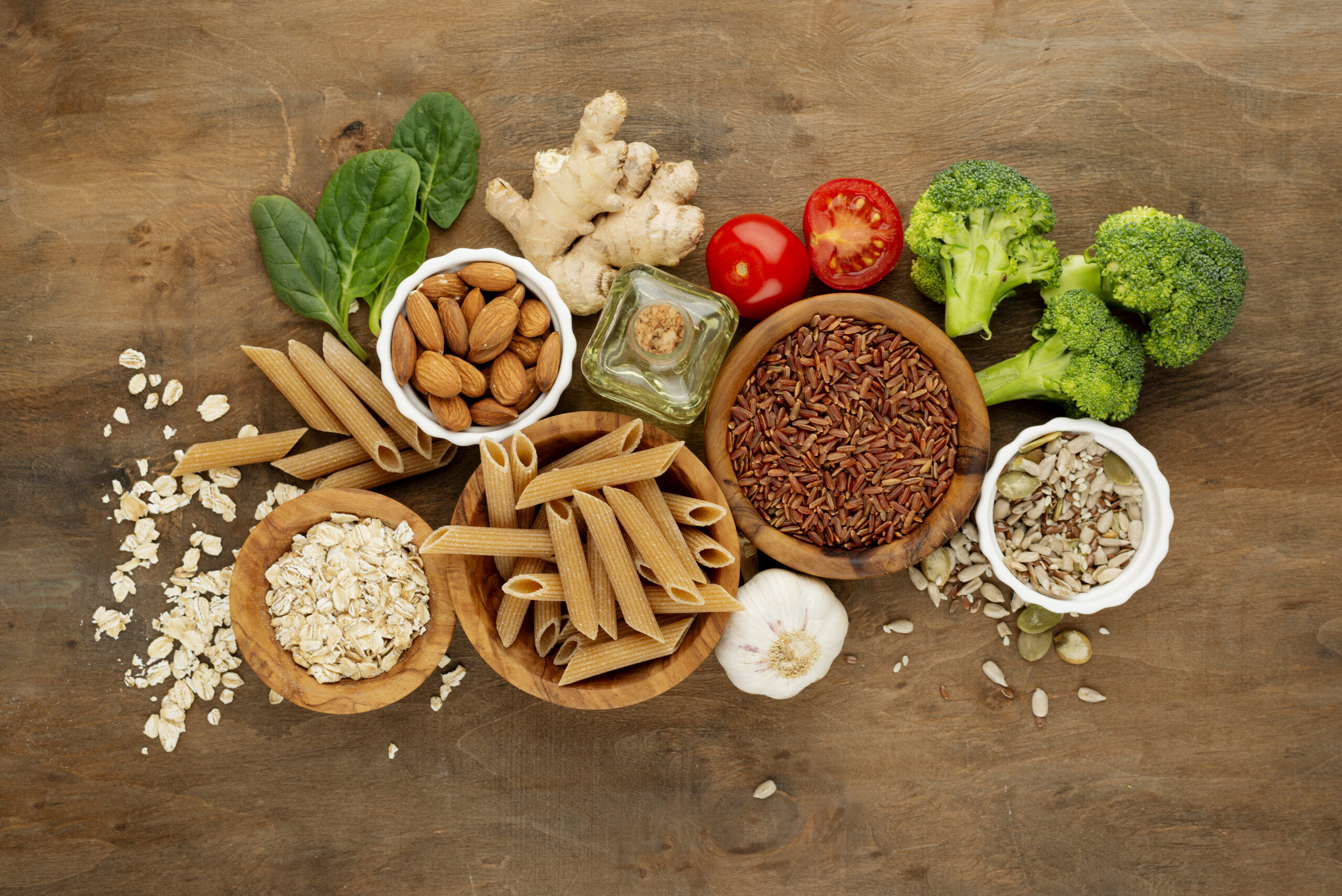
One of the questions I’ve been asked many times by friends who run is what to eat before a race or what to eat the day before a race. In this article, I’m going to share a series of nutrition recommendations for before taking on a running race.
What to drink and eat before a race?
It’s very important to eat the right foods in the hours leading up to a race to achieve optimal performance and avoid possible discomfort that could stop you from racing at your best.
It’s worth noting that the sports season has several phases (rest, preparation, competition and post-competition), so your diet won’t be the same at different times of the season.
It’s also important, when talking about what to eat before a race, to distinguish between the needs of highly trained people (regular or elite athletes) and those who run for fun or leisure (recreational runners), since the energy pathways used during physical activity won’t be the same. Obviously, any elite athlete knows what to eat before a race, but among recreational runners it’s common to find a lot of uncertainty.
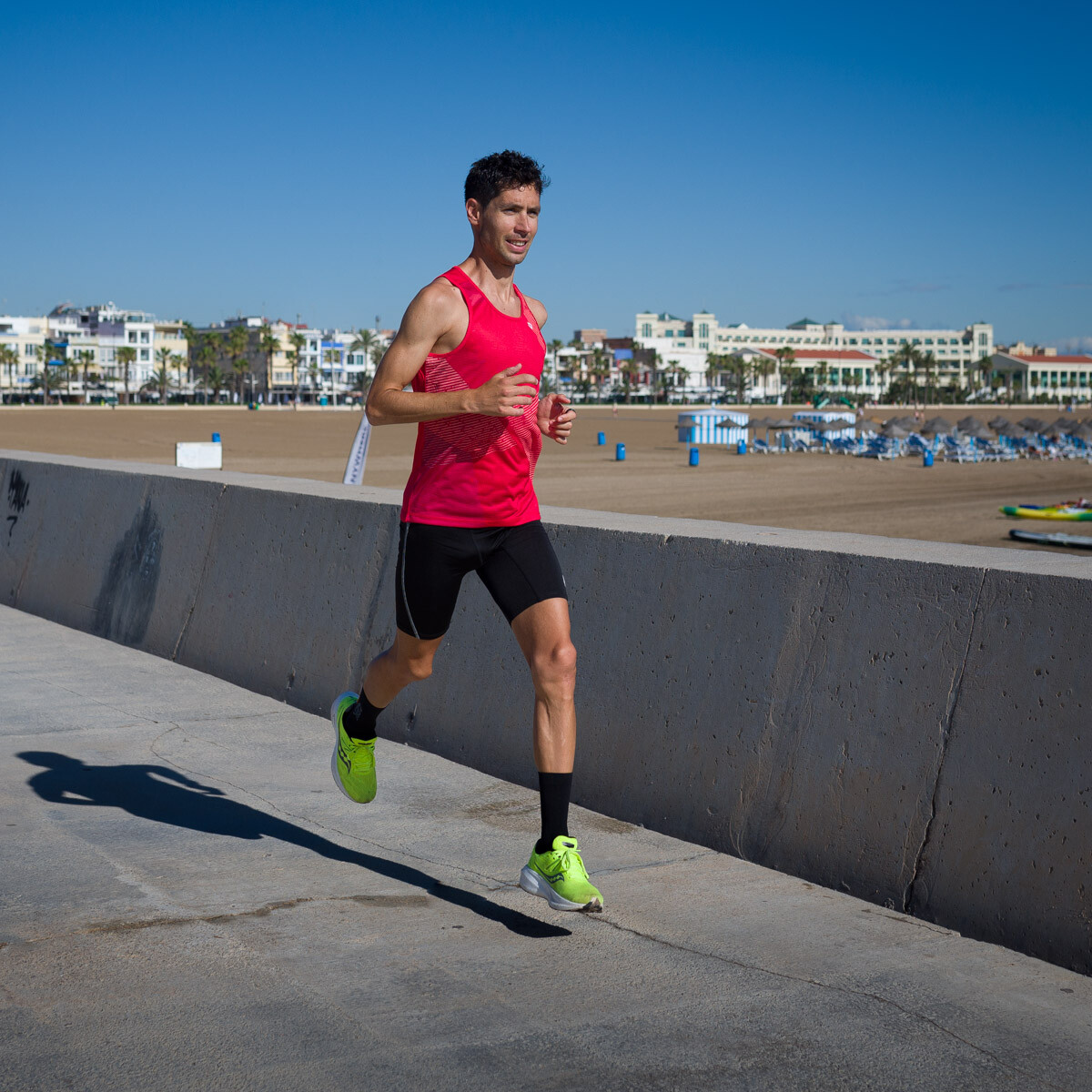
While a highly trained runner relies on the oxidation of intramuscular fatty acids and depends much less on muscle glycogen (glucose stores), a less trained athlete uses a greater amount of carbohydrates (glucose) and a lower proportion of fatty acids. This means lower performance for the less trained athlete, because glycogen is very limited, while fatty acids can be used for a much longer time.
Nutrition recommendations for taking on a race
But what, when, and how should we eat before a race? Let’s look at what, when, and how to eat and drink before taking on a demanding physical effort.
What to eat about 3 hours before physical activity
What should you eat before the race? Three hours before the event, you should have a meal rich in carbohydrate-rich foods (since low glucose is directly linked to fatigue and reduced performance) and, to a lesser extent, foods with protein, fibre and fat.
If the race is in the morning, my breakfast suggestions would be:
- Milk or a plant-based drink with cereal.
- Milk or a plant-based drink with toast and honey.
- Milk or a plant-based drink with oats.
If the race is in the afternoon, my lunch/meal suggestion would be:
- Pasta or rice (always white) with a small amount of vegetables and a little tuna.
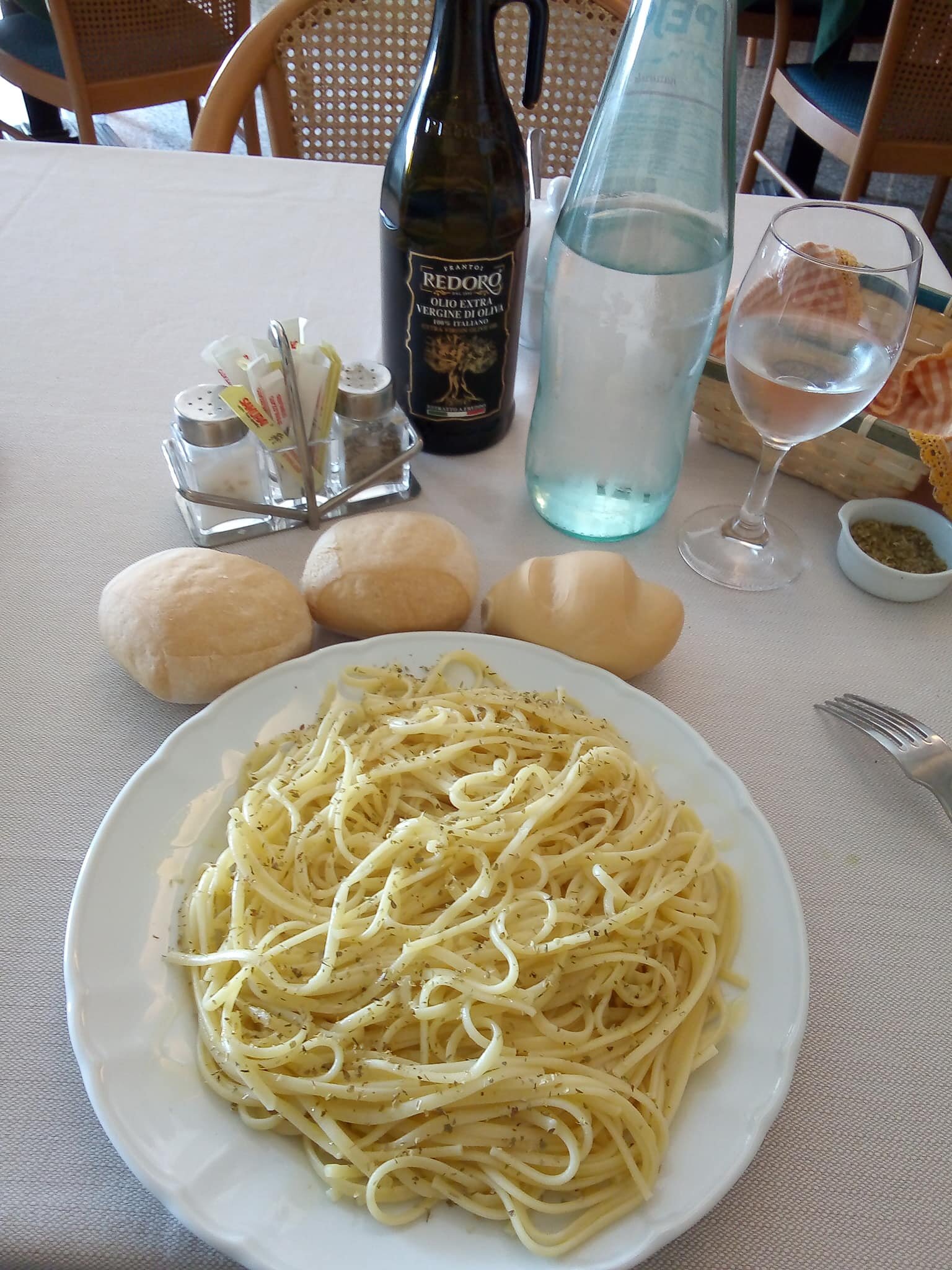
Why pasta or white rice? Because they digest much faster, and so does the absorption of their nutrients. Also, to help ensure quick, proper absorption, both pasta and rice should be well cooked and not “al dente”, as they’ll be much harder to digest.
Between 30 and 60 minutes before physical activity
At this point, the protocol starts with 2–3 glasses of water about 15–20 minutes before this intake, to avoid slowing digestion.
Among the foods to have about 1 hour before the start of the event, include easy-to-digest foods such as bread with honey, quince paste or jam; low-fat yoghurts, non-wholegrain cereals, low-fat biscuits, non-wholegrain muesli, fruit or dried fruit.
All of this can be replaced with about 300–500 ml of sugary rehydration isotonic drink.
Between 5 and 10 minutes before the start of the event
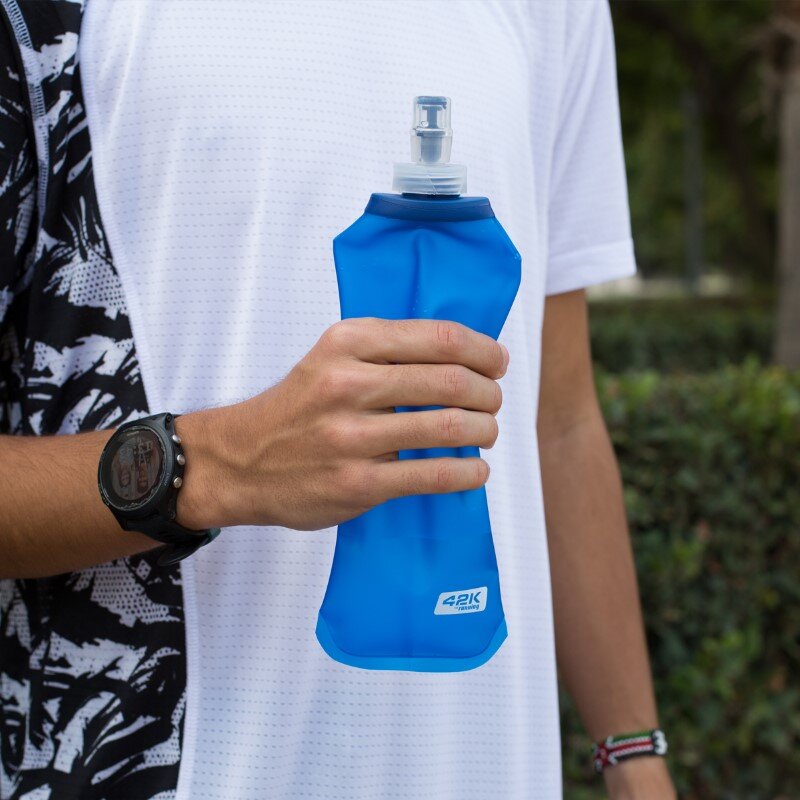
Drink a sugary isotonic drink or have a small amount of very easy-to-digest foods such as dried fruit. If you don’t drink isotonic drinks at this time, have 2–3 glasses of water.
Everything needs to be trained before the race: food and drink too
A very important warning is that anything you eat or drink before the race should have been tried several times beforehand on training days. Race day is not the time to experiment: don’t try foods or drinks you haven’t had before and aren’t sure sit well with you.
It’s best to try everything in training first and then adapt these guidelines to your routine. For example: the isotonic drink 5 minutes before the start might not sit well, but a handful of raisins and dried apricots might; or an hour before you might not feel like a jam sandwich, but you might fancy some non-wholegrain biscuits. It’s very important that each athlete knows themselves as well as possible and knows for sure which foods and drinks work for them and sit well.
None of the tips or recommendations on what to eat before a race in this article (or in any other sports nutrition specialist’s article) should be put into practice on race day, as discomfort, allergies, intolerances, hypoglycaemia, etc. may occur.
I’ll say it again: it’s vital not to introduce changes or do trials in our eating routine on race day, because we can ruin months of preparation over something silly. It’s not only endurance, strength or flexibility that needs training—nutrition and hydration need training too, especially when we’re facing events that will require a prolonged, steady effort of more than 60 or 90 minutes.
Naturally, you don’t need to worry in the same way about what to eat before a 10K (usually the most popular distance) as you do about what to eat before a half marathon or a marathon. My advice for runners who plan to prepare for a race like a half marathon or marathon is to see a sports nutritionist, who can advise and guide them on the right diet to include in their plan for their sporting goal.
A sports nutrition expert can tailor things precisely to the needs of each runner who’s wondering what to eat before the race in which they want to pin on a race bib and perform at their best. This professional can also advise what to eat the day before a race or what to eat before a 10K, which is the event recreational runners most often take on.
The best foods to eat before running
Nutritional needs can obviously differ depending on whether you go for a 20-minute, 60-minute or 90-minute run; they can also vary if the plan is an easy 60-minute training session or a race (10K, 15K, half marathon or half marathon) where you intend to give 100% physical effort.
It’s common for new recreational runners to have doubts about what to eat the day before a race, or even what to eat before the race itself. Before a race or competition with high physical demands, you should include complex carbohydrates, and it’s also useful to include simple carbohydrates.
You can find complex carbohydrates in oats, cornflakes or toast; and you can find simple carbohydrates, for example, in honey, jam, and peanut or nut butter (these should be consumed in moderation), which are easy to find in any supermarket.
Carbohydrates are an energy source the body can access quickly, so they’re the best option when listing recommended foods to eat before a race.
What you need to be careful about is not overdoing protein and foods that are high in fat and fibre; protein, fat and fibre can cause digestive issues during exercise.
A fantastic food that any runner can eat before a race is the banana, which is a quick energy source. Bananas are great because they’re rich in carbohydrates, potassium and vitamin B6. A banana can be, for example, one of the must-have foods to eat before a 10K.


Text for 42K by:
Ismael Martínez García
Dietitian-nutritionist
Dietitian-nutritionist, graduated from the Universidad de Valencia. Master's in Nutrition for performance in endurance/ultra-endurance sports from the Academia Española de Nutrición. Registration no. CV00678 with the Colegio de Dietistas y Nutricionistas de la Comunidad Valenciana
Other posts by Ismael Martínez García




Be the first to comment on this post!