
Subscribe to our newsletter to keep up with all the latest news and promotions, and automatically receive a welcome discount coupon in your email.

General search
42K

Be the first to know with the 42K newsletter!
CUSTOM

Customise your kit with our CUSTOMIZADOR!
CUSTOMISE NOW!
Eating well is key to improving as a runner. It may seem obvious, but reality shows that things aren’t always so clear. It’s very common to meet runners with lots of doubts, misconceptions, or confusion about what proper nutrition should look like to achieve solid athletic performance.
Training is the foundation for improvement in any sport, but to get real benefits from training you need to follow a proper diet.
All too often, recreational runners focus heavily on how to train to improve their times or take on long-distance race challenges, but they neglect—or don’t give enough importance to—proper nutrition.
Eating well brings benefits for health, athletic performance, and physical appearance
Why is it important to eat well, and what for? Eating well brings benefits in three key areas, listed in order of importance as follows:
- Health.
- Athletic performance.
- A healthy physical appearance.
When looking for reasons to eat well, we should always be clear that the top priority is health, followed by athletic performance, and lastly having a healthy physical appearance.

Having good nutrition habits brings benefits at different levels for health, athletic performance, and a healthy physical appearance. Here are the most notable ones:
Lower risk of disease. With good nutritional status, the chances of developing conditions such as high blood pressure, diabetes mellitus, hyperuricemia, high cholesterol, fatty liver disease, etc., are drastically reduced; and if you already have them (and they’re not inherited genetically), it may be possible to reverse them and make them go away.
Health and wellbeing. Reducing the risk of disease supports an optimal state of health for any patient (men, women, athletes, pregnant women, breastfeeding mothers, older adults, children, etc.), which means a considerable increase in quality of life as well as financial savings due to lower spending on medication.
Weight loss. Clearly, eating well by following a properly designed (and followed) moderately low-calorie diet has the effect of reducing fat mass.
Increased muscle mass. A diet plan aligned with the training plan set by a coach allows the athlete to increase muscle tissue. Eating well in combination with good training focused on the set sporting goal will lead to a healthy physical appearance.
Post-workout recovery. Eating well, following sound dietary guidelines, helps restore muscle glycogen stores, repair muscle fibers damaged during training, etc. If a runner makes the mistake of neglecting their diet, they may end up feeling the wear and demands of training; without proper nutrition, feelings of weakness or fatigue will appear sooner or later, leading to a drop in athletic performance.
Preparing for competitions. Eating well throughout the season, and especially in the week before a competition (above all on race day), is essential for proper athletic performance, whatever the sport. The difference between making the podium or not, setting personal bests, or finishing with more energy than your rivals comes down to nutrition (and training level, of course).

Improved athletic performance. The food you eat is the fuel you give your body to make an effort (among many other functions). A supercar uses 98-octane unleaded fuel, not diesel—so if you want to perform, you need to give your body 98-octane fuel; in other words, a healthy diet perfectly designed based on sex, age, sport type, work and training schedules, blood test results, conditions, needs and preferences, etc.
Fewer injuries. Clearly, eating well won’t stop you from twisting an ankle while running because of a pothole or a stone, nor will it prevent a dumbbell from falling on your foot at the gym and injuring you. However, a diet that provides the necessary energy, as well as the recommended daily intake of all essential nutrients, can help prevent cramps or strains, thereby improving athletic performance.
Eating well shouldn’t be confused with eating less
Sometimes there’s a mistaken belief that eating well means eating less, but in reality it’s about eating properly.
When someone decides to lose weight (reduce fat mass), one of the first decisions they often make is to cut their daily calorie intake. Is that the right decision? The answer requires a clarification first: to achieve weight loss (fat mass), you need to create a negative calorie balance—in other words, “burn” more calories than you consume through physical activity across your meals.
There are several ways to achieve this negative calorie balance:
- Reduce the number of kcal you consume day to day.
- Increase your daily calorie expenditure.
- Combine both options: cut intake and increase physical activity.
In most cases, the best option is to do more exercise rather than simply cutting calories. Although the best approach is to tailor each case (because each person may have specific personal circumstances); put another way: what a runner says they do on social media can’t be generalized as the ideal approach for everyone.
Cutting back without any criteria on the amount and/or frequency of meals can be harmful to your health, as it can lead to macronutrient deficits (carbohydrates, proteins, and fats) and/or micronutrient deficits (vitamins and minerals). This is a bad decision because it can cause various issues: tiredness, fatigue, irritability, hypoglycemia, anxiety, reduced athletic performance, anemia, greater likelihood of getting sick (the immune system weakens), etc.
Also, as covered in another article on this blog, losing weight in the middle of the competition season can be a bad decision. It’s not advisable to pursue a weight-loss strategy during the competitive period because it will be difficult to see benefits and athletic performance will almost certainly be affected.
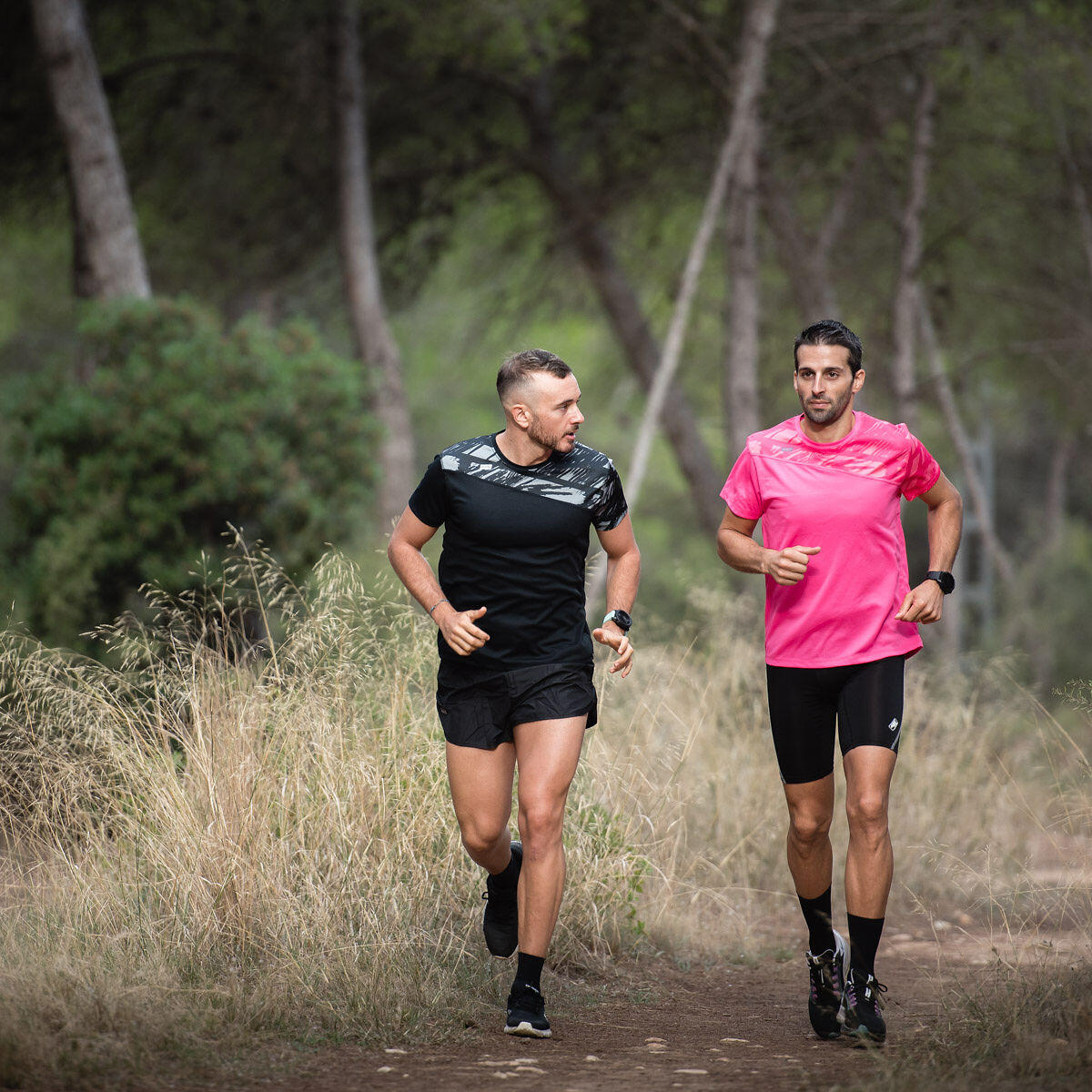
When it comes to nutrition to reduce fat mass (weight loss), the best advice is to see a registered dietitian-nutritionist so they can design a diet plan tailored to each person’s needs, lifestyle, and sporting demands. A dietitian-nutritionist will always look for the best option to help the person reach their sporting goals, while always making improving health through proper nutrition the top priority.
Remember: it’s not about eating less, but about eating well. You can reduce body fat with something as simple as doing physical activity regularly and eating well: following a healthy, varied, balanced diet that doesn’t eliminate any food group (meat, fish, eggs, fruit, vegetables, nuts, legumes, pasta, rice, dairy, bread…), while clearly limiting ultra-processed foods.
Forget “superfoods”; eating well means eating everything in the right amounts
If you’re a recreational runner and you care about your nutrition, you’ve probably heard the term “superfoods.”
If we had to define superfoods, it would be something like “foods that can cover all of an individual’s energy and nutritional needs.”
But does anyone really believe a single food can cover all of a person’s energy and nutritional needs? No. The term “superfood” shouldn’t exist; instead, we can talk about foods that have a certain “X” effect on health.
Avocado is good for the heart and has been considered a “superfood.” Indeed, many studies conclude that adequate consumption of this food contributes to good cardiovascular health, improving blood levels of cholesterol, triglycerides, etc. Does that mean eating only avocados is good for your health? No; someone who eats only avocados would likely end up with hypoglycemia and would always feel exhausted, anxious, hungry, etc.
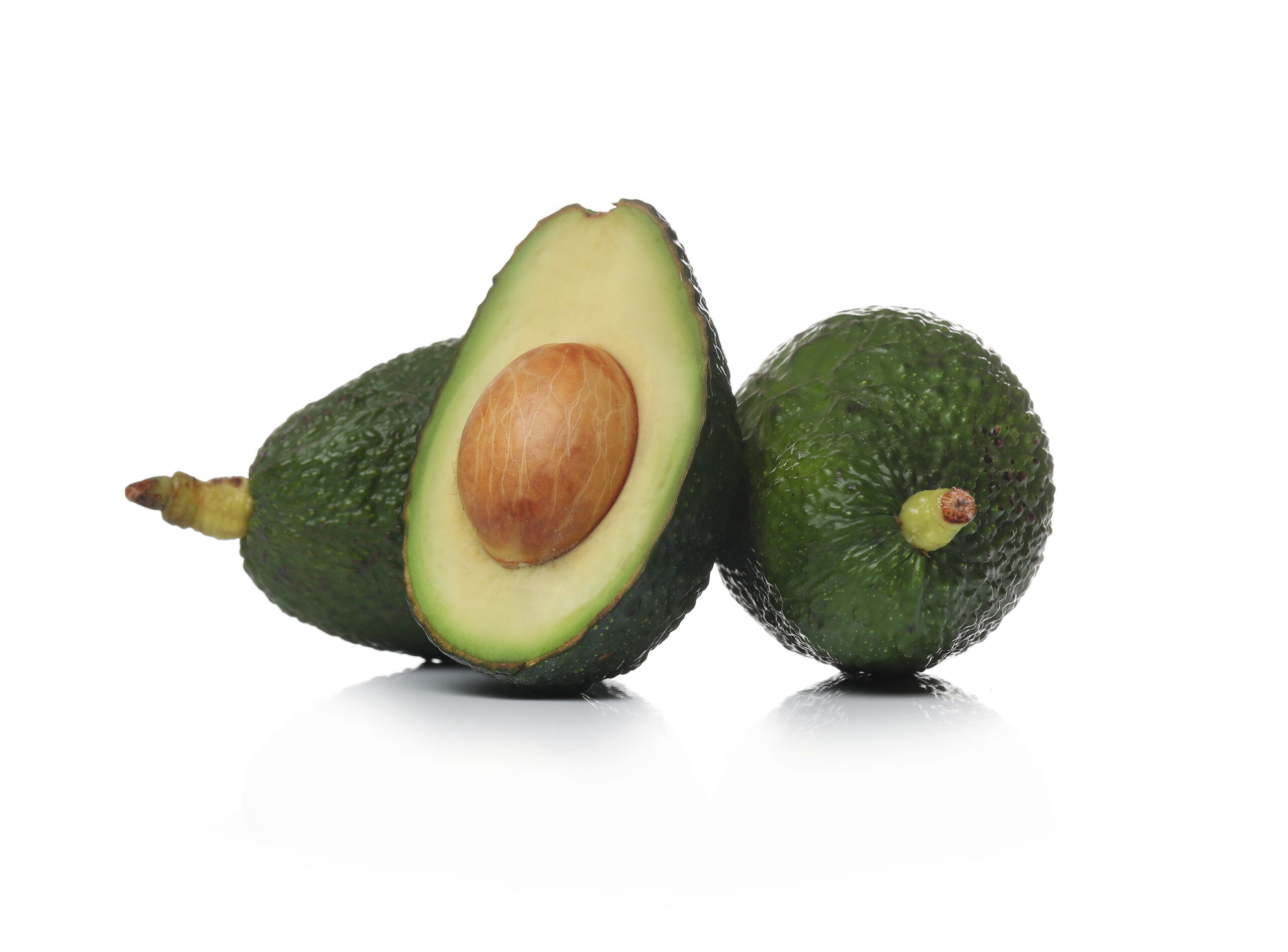
Eating well means eating all kinds of foods in the right amounts. You shouldn’t overdo a food just because they say it’s good, nor cut out other foods completely. Do you feel like having a donut one day (not every day of the week)? Go for it! Food is one of life’s great pleasures.
So rather than talking about superfoods, we should talk about super nutrition, which could be defined as a way of eating that includes all food groups (dairy, bread, pasta, rice, legumes, nuts, fruit, vegetables, meat, fish, eggs, etc.) and allows the individual to achieve proper nutritional status and health.
In other words: no matter how good a food is, it can’t cover all of a person’s nutritional needs, whereas a varied, balanced diet makes it possible to meet a person’s recommended daily intakes (RDI) and maintain good health. Eating well, ultimately, means having a rich, varied diet that optimally covers the needs we may have as individuals depending on our age, sex, health status, and the demands associated with the physical activity we do.


Text for 42K by:
Ismael Martínez García
Dietitian-nutritionist
Dietitian-nutritionist, graduated from the Universidad de Valencia. Master's in Nutrition for performance in endurance/ultra-endurance sports from the Academia Española de Nutrición. Registration no. CV00678 with the Colegio de Dietistas y Nutricionistas de la Comunidad Valenciana
Other posts by Ismael Martínez García





Be the first to comment on this post!