
Subscribe to our newsletter to keep up with all the latest news and promotions, and automatically receive a welcome discount coupon in your email.

General search
42K

Be the first to know with the 42K newsletter!
CUSTOM

Customise your kit with our CUSTOMIZADOR!
CUSTOMISE NOW!
Running Injuries: Prevention Is Better Than Cure
by David Valenzuela Díaz
Any athlete knows that injuries are the worst enemy they can face. Injuries interrupt, stop, hinder, frustrate, exasperate… Running injuries can be the main barrier to making a dream come true—not just achieving a goal, but even being able to follow the path needed to pursue that dream.
Physiotherapist David Valenzuela, CEO of BOX55, reflects in this article on running injuries as the main limitation that any runner, amateur or elite, can encounter on their path toward achieving a goal, a challenge, a dream…
Running injuries: limits to training
“I thought running was just about buying running shoes. I started running because when I do, my memories take me back to when I was a little girl running through the fields at my parents’ house,” a patient recently told me at the clinic while we were treating her son for a biomechanical overuse injury.
With him, she recalled how her ‘runner’s iliotibial band’ prevented her from enjoying her dream for a while, even as she now looked forward with excitement to a new starting line, the Valencia 10K, where her sports season was beginning.
Many people share the belief that to start running, all you need is to buy running shoes and head out to cover kilometers through the city, the park, the countryside, or the mountains. And they forget about the running injuries they might suffer.
Is running just about buying running shoes?
Indeed, to run, all you need is to buy running shoes. It’s something within anyone’s reach. Running is putting on running shoes, going outside, and feeling a world of sensations that flood you while you train and the endorphins you generate make you think you can take on the world and believe that no distance or time is impossible.

Then you look for a race you think is accessible and off you go: new running shoes, technical clothing to start running, and you’re off. Then comes another race, and then another and another… And if things aren’t done right, the bad consequences arrive: the dreaded running injuries.
And some time after you bought your running shoes and started running and competing in races, you find yourself on the treatment table at BOX55 thinking that what started as a dream has become a nightmare, a nightmare that prevents you from continuing to enjoy the sport and your daily life because there’s an injury that won’t allow it.
There are several things you need to know to be able to enjoy the sport you love in good health, that sport that helps you feel happy because it generates health so you can enjoy life. And it’s undeniable that being fit improves your quality of life in every aspect.
There’s nothing more powerful in the world than an idea, and you need to keep in mind that in your head you can do more things than your legs can handle, so you’ll always keep moving forward.
You must know your body because when you’re growing, the physiological and biomechanical system of the human body gives you perfect posture, a posture that adapts to growth according to the sport you practice; but this is something that’s lost the moment you stop growing and your bones “fuse,” adapting to your lifestyle, which for work and personal reasons is unique to each athlete.
That’s why there are limits to your training: running injuries.
To avoid running injuries, work with a physiotherapist
What should you do to ensure your dream and your health go hand in hand? How can you anticipate and prevent certain running injuries? You need to find a physiotherapist who understands you and wants to join you on your journey, who helps you achieve your dream, who adapts to your pace of life and understands your “madness.”
The physiotherapist is the health professional who will help you optimize your training, since their goal is for you to be able to train without injuries. The physiotherapist doesn’t seek performance, they seek to make you functional to prevent injuries. The physiotherapist will always advise you objectively thanks to studies that indicate what injuries you might suffer so you can avoid them.
5 golden tests to prevent running injuries
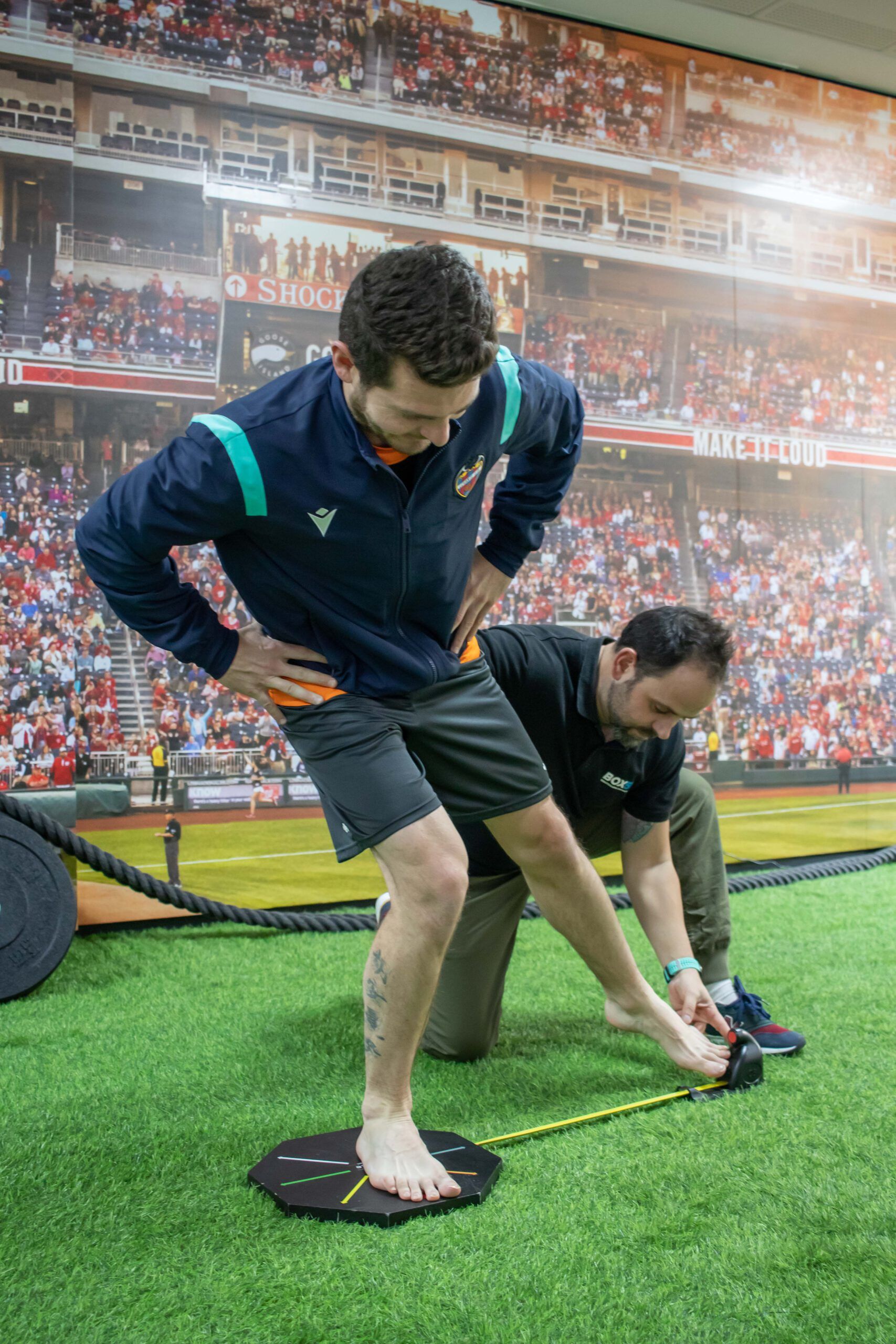
1. Biomechanical assessment as the foundation of preliminary work in your training
The biomechanical assessment is a group of functional tests that allow you to see what static and dynamic muscle deficits you have so you can start training functionally and develop preventive exercises that can help you enjoy your sport and optimize your training.
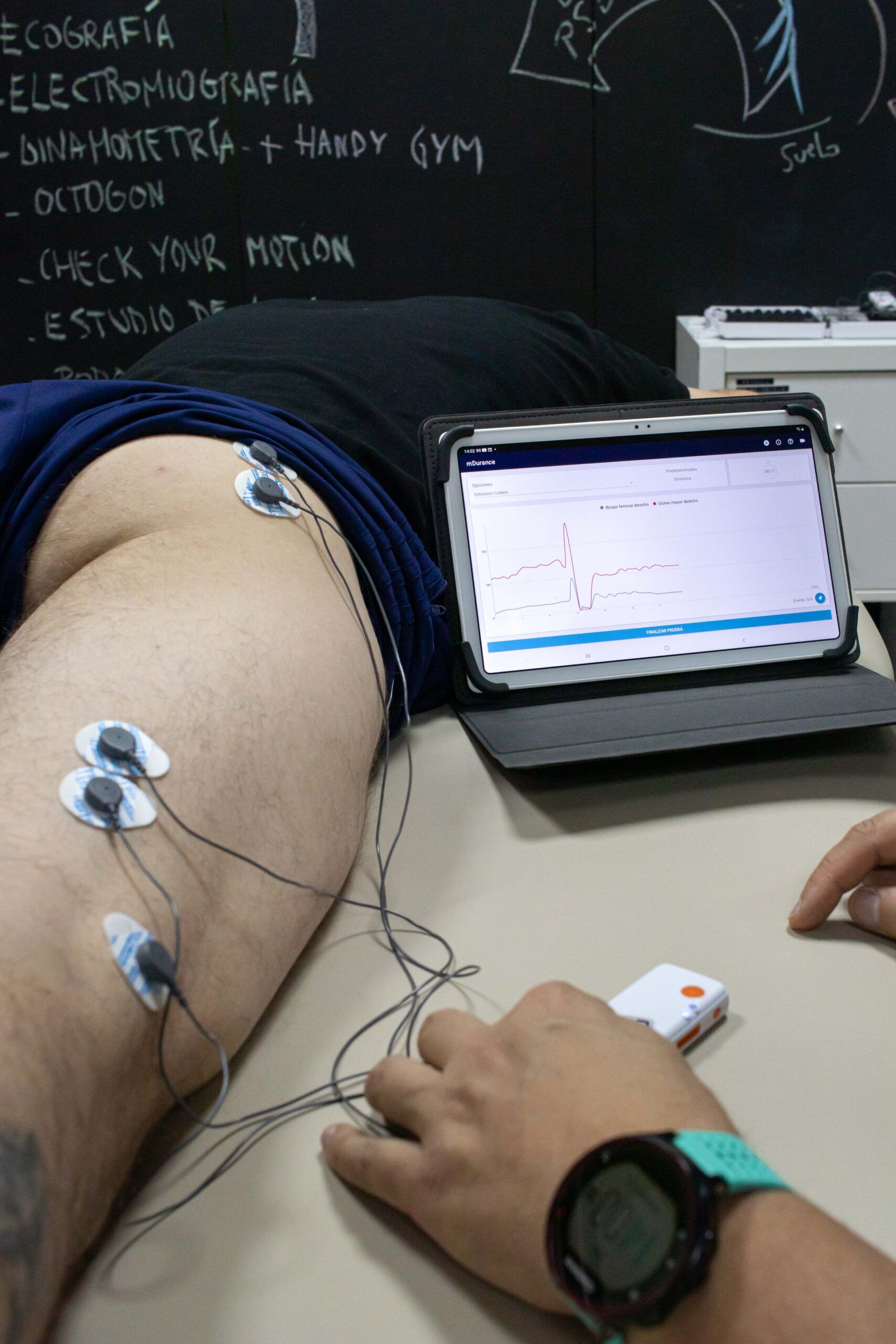
2. Electromyography as the foundation of preventive work to optimize your training
Strength is a very important quality in sports because it improves (positive transfer) the other qualities of the human body such as endurance, speed, or flexibility, but focusing only on that quality is a very common mistake. Strength without control is useless. The timing of muscle activation according to the laws of human biomechanics is more important than the amount of strength in a muscle, since an inadequate lower limb activation pattern generates muscle tears and tendinopathies associated with load, no matter how strong you are.
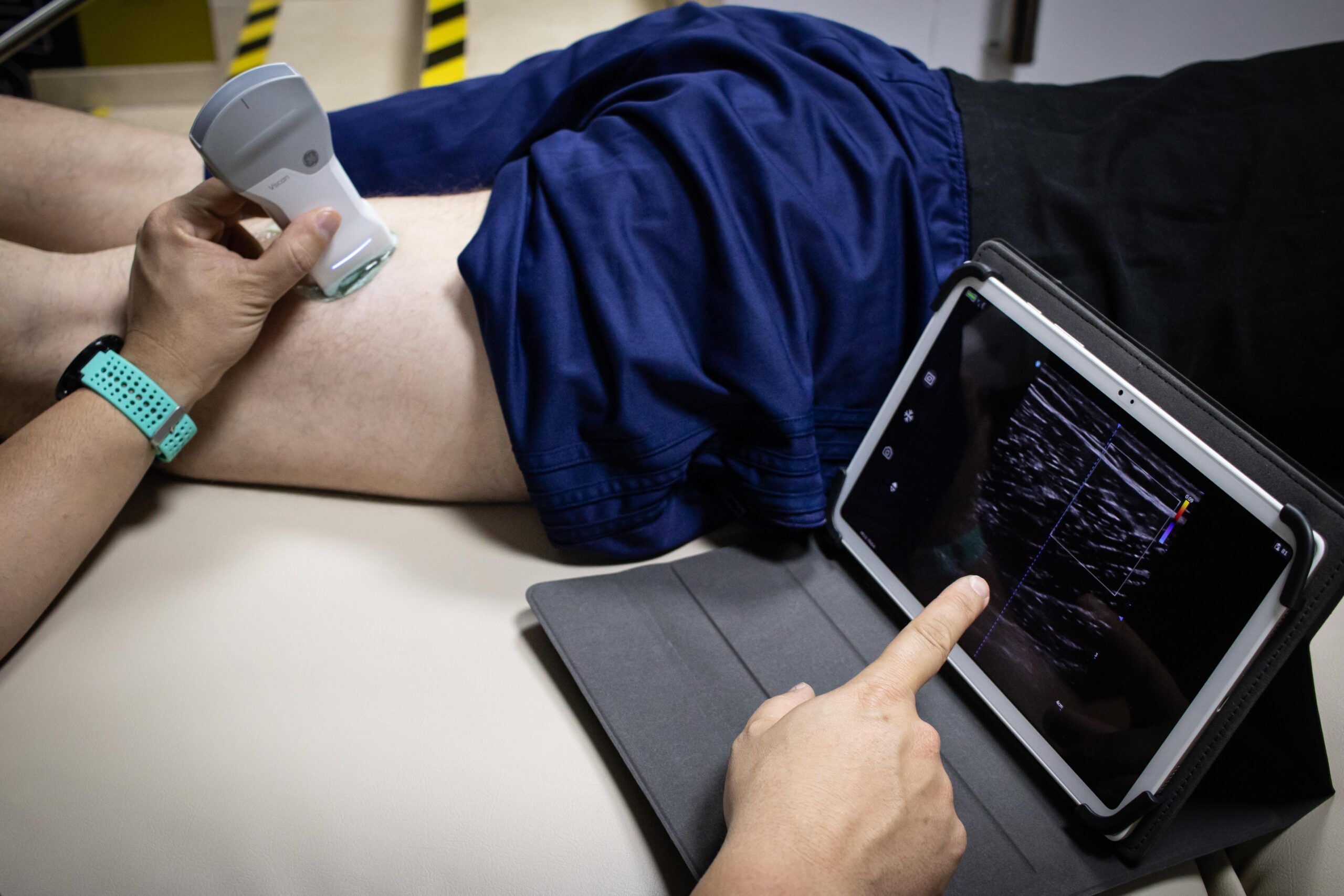
3. Ultrasound as the structural foundation of training
The tendon is a structure that adapts to load and the great “silent killer” because it doesn’t warn of problems until, from one day to the next, you can’t even move and you suffer running injuries. An ultrasound to see how the tendon is assimilating impact is extremely important, since a 10K race involves about 20,000 impacts that the tendon has to absorb and adapt to the load.
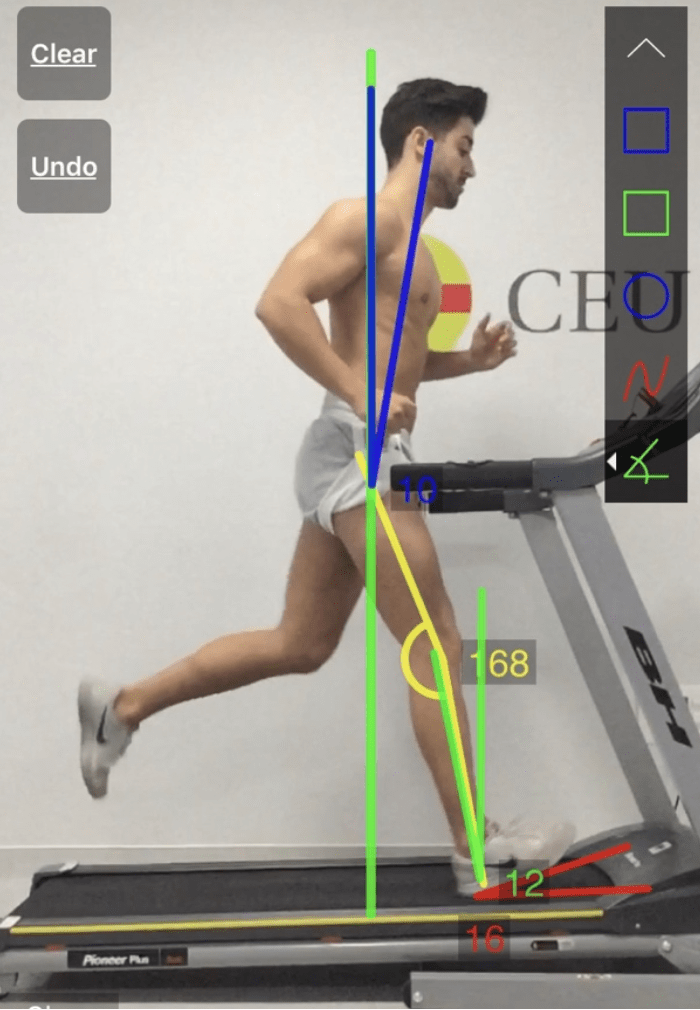
4. Gait video analysis as the dynamic foundation of training.
Gait analysis helps prevent injuries, since during human development and growth in different lifestyles, adapted movement patterns are generated. When we start running, they become more pronounced, generating biomechanical anomalies that can injure us when we’re enjoying our sport.
5. Stress test
The most important test you should perform on your body for all the others to make sense. Knowing how your “engine” works is fundamental; the heart is the motor of all the qualities and dreams you want to achieve. Nothing is possible without a healthy and strong heart.

Nothing exists without health, so in upcoming posts we’ll talk about how to prevent all the running injuries that can keep us from our dreams.
As the saying goes, “prevention is better than cure,” but for both, BOX55 SPORTS PHYSIOTHERAPY is here to help you achieve your dreams. You’re not what you achieve, you’re what you overcome.
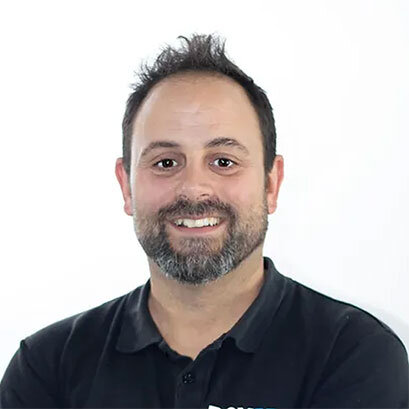

Text for 42K by:
David Valenzuela Díaz
Fisioterapeuta en BOX55
David Valenzuela Díaz es diplomado en fisioterapia por la Universidad Cardenal Herrera CEU y Máster en valoración, fisioterapia y readaptación deportiva por la Universidad de Valencia. Es CEO de BOX55 Fisioterapia y Academia SL, de BOX55 Academy y de Valobando SL Functional Biomechanical Analysis.
Other posts by David Valenzuela Díaz
Other posts that may interest you.

My first race: tips for handling the nerves and competing with confidence

What to eat before a half marathon: a nutrition guide to perform at your best over 21K


What factors does sports performance depend on? (Series 1: Energy systems)


Be the first to comment on this post!